
Estimated reading time: 16 minutes
Did you know that over 70% of readers trust and believe fashion magazine features? If you’ve been wondering how to get featured in fashion magazines, the answer goes beyond just talent—it’s about strategy.
A feature in fashion magazines can boost your visibility and sales. This applies to rising designers, emerging brands, and fashion photographers. Top-tier fashion publications connect with hundreds of thousands of readers. Their audience consists mainly of fashion-conscious women aged 18-35 who love luxury and lifestyle products.

Landing that coveted magazine feature takes more than sending a few emails. You need to master submission guidelines and create the perfect pitch to succeed in the fashion publishing world. Magazines typically accept only unpublished work. A strong media kit often determines whether editors notice or overlook your submission.
Want to see your brand in your dream fashion magazine? Let’s explore what it takes to grab an editor’s attention and land that career-changing feature.
How to Get Featured in Fashion Magazines: Table of contents
Understanding Fashion Magazine Types
Fashion magazines range from prestigious international publications to innovative independent titles. These differences help you target your submissions better.
Top Fashion Magazines vs Independent Publications
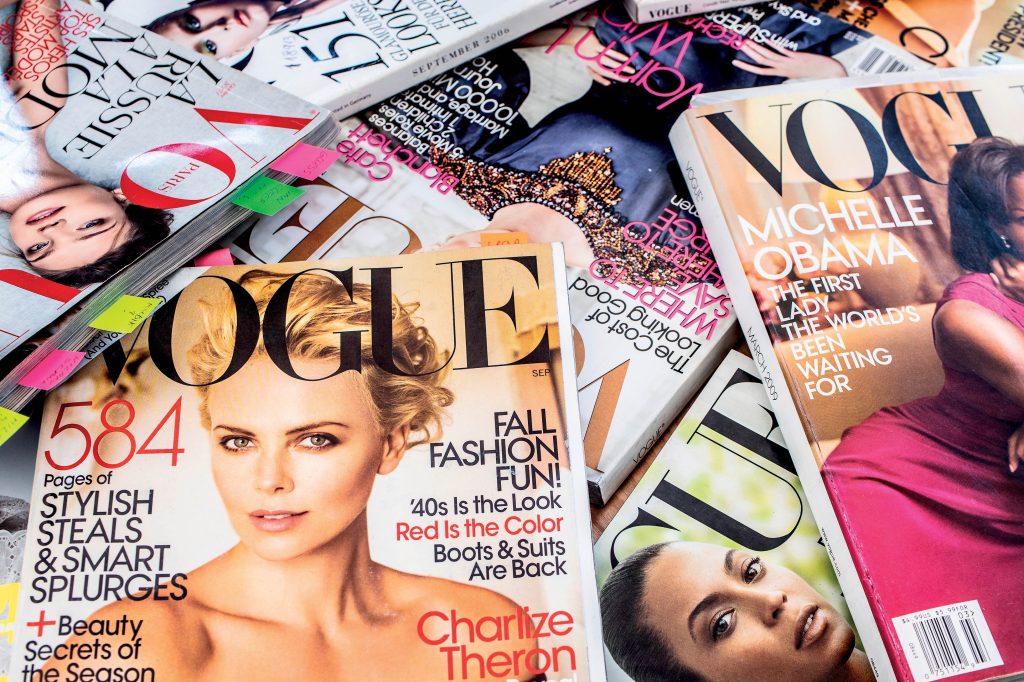
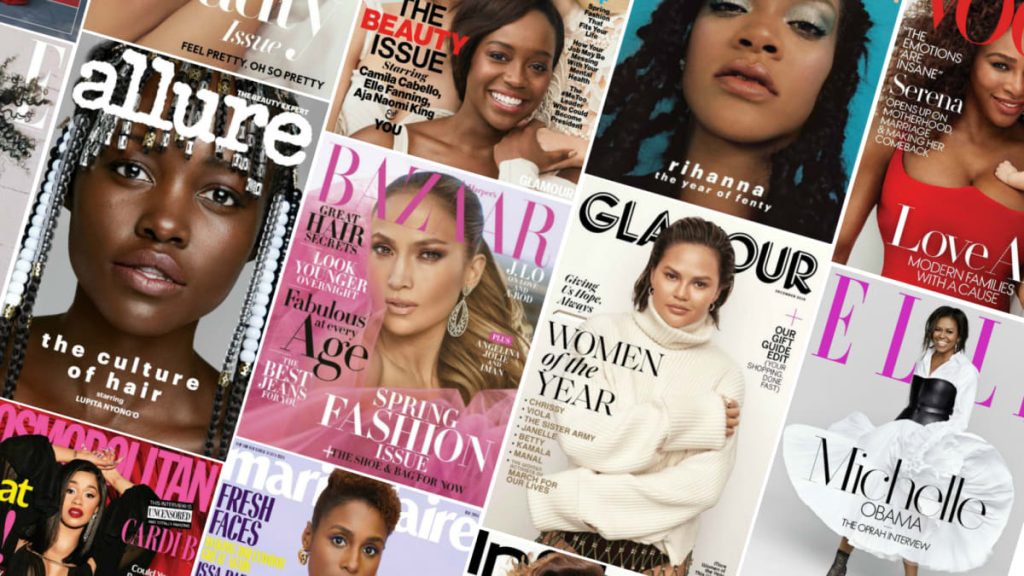
Vogue, Harper’s Bazaar, and Elle are traditional fashion magazines that focus on high-end luxury fashion and reach millions of readers worldwide. These publications feature well-known designers and brands, among other things like celebrity coverage and cultural commentary.
Independent fashion magazines give you more experimental and avant-garde content. Publications like Vestoj and Monument take different paths and learn about niche aspects of fashion culture. These magazines welcome submissions from new talent and create opportunities for emerging creators.
Your path to success in the editorial industry should start with smaller publications before you approach larger ones. Independent magazines have flexible submission policies and welcome fresh points of view from rising fashion professionals.

Print vs Digital Magazine Requirements
These magazines just need exact technical specifications because of their physical nature. Print publication editors ask for:
- High-resolution images (300 DPI minimum)
- Precise file formats for layouts
- Complete wardrobe credits
- Professional photo editing
- Physical samples when requested
Digital publications give you more flexibility but have their own requirements. Online submissions need screen resolution, mobile responsiveness, and interactive elements. It also helps to include multimedia content, behind-the-scenes footage and social media integration.
Print magazines stay appealing through their tangible nature and permanence. Physical format needs careful fact-checking and editing, which leads to really vetted content. Print publications show a 10.2% growth in readership, which proves they remain relevant alongside digital platforms.
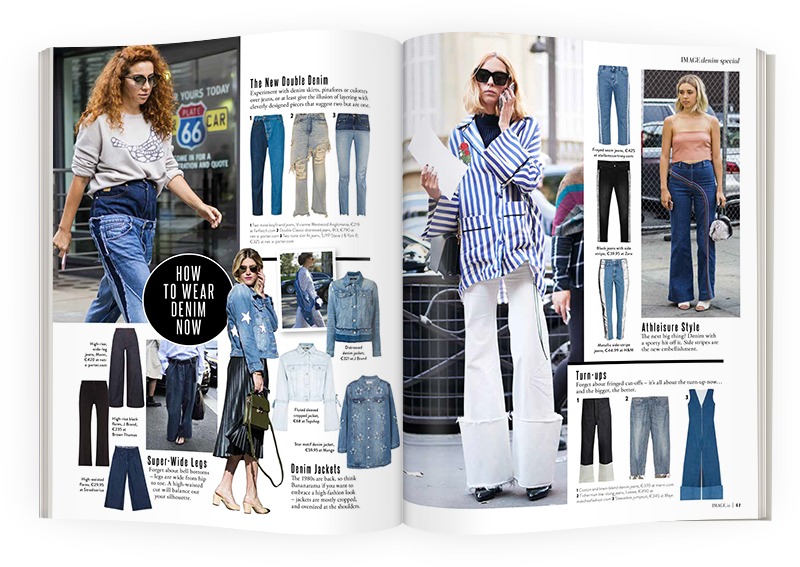
Digital editions let you access content instantly and update it right away. They connect with wider international audiences and let readers interact through social media and interactive features. Most established magazines now have both print and digital versions, so contributors must prepare content that works in both formats.
These differences help shape your submission strategy. You should start with digital-first publications to build your portfolio, then move to print magazines as your work gets noticed.
Read Also: Top 15 Fashion PR Agencies to Watch in 2025: Exclusive
Building Your Fashion Portfolio
Your fashion portfolio acts as your visual resume and is a vital element to secure magazine features. Professional editors take about 6 seconds to review each submission. The first impression matters greatly.
Creating High-Quality Fashion Content
A unique esthetic that lines up with magazine standards should shine through your fashion portfolio. Editors value quality over quantity and prefer to see a few outstanding pieces rather than many average ones. We focused on creating content that strikes a chord with your target publications’ style.

Each piece needs to tell a cohesive story. Fashion editorials require 5-7 different looks to meet standard magazine requirements. Every image should work on its own while adding to your overall narrative.
Organizing Your Best Work
A strategic portfolio structure helps maximize your impact. The key elements you need are:
- High-resolution images (300 DPI minimum)
- Detailed team credits
- Complete wardrobe information
- Professional layout presentation
- Clear concept descriptions
Your strongest work should come first because hiring managers make quick decisions. Digital submissions need both PDF and online versions to suit different magazine priorities.
Getting Professional Photos
Professional photography creates the foundations of a successful fashion portfolio. Time and resources invested in high-quality visuals that meet publication standards pay off. A professional team usually includes:
A fashion producer brings creative concepts together. Photographers capture the vision based on technical specifications. Photo editors then refine images during post-production to meet magazine requirements.
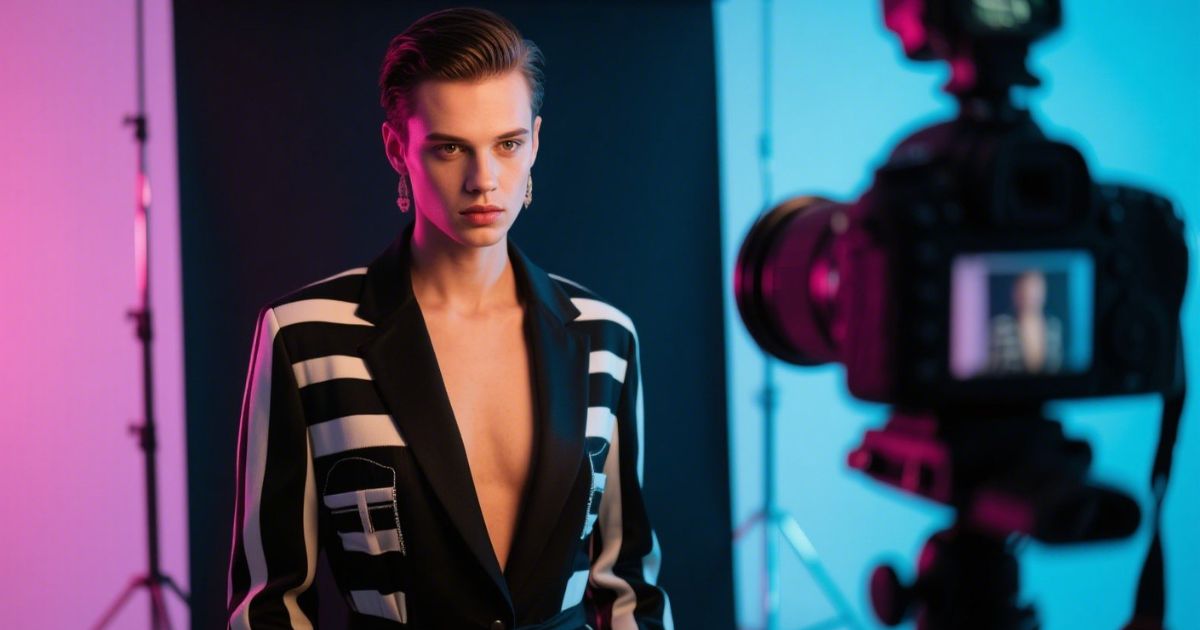
Studio environments give better control for beginners. The first sessions should last 3-4 hours to perfect lighting and poses. Professional retouching should improve rather than dramatically change images.
Your portfolio must show versatility while keeping quality and style consistent. Each submission should be tailored to line up with the publication’s esthetic priorities. This focused approach helps catch an editor’s eye and land that coveted feature.
Read Also: 5 Mistakes to Avoid When Hiring a PR Agency for Your Fashion Startup
Preparing Your Magazine Submission
Magazine submissions become successful when you research well and pay attention to details. We looked for fresh, unpublished content that matches their esthetic vision.
Finding the Right Magazine Match
Instagram helps you find potential magazine matches. You can search for fashion magazines and let the platform suggest similar publications. You could also visit stores that sell magazines to study their content and get contact information.

Here’s what to think over when selecting magazines:
- Your visual esthetic should match their style
- Look through their previous content and themes
- Know their target audience
- Check their submission policy
Then create a spreadsheet to track magazine contacts, submission status, and specific requirements. This method helps you stay on top of your submissions and avoid sending duplicates.
Understanding Submission Guidelines
Each magazine has its own unique submission specifications. These guidelines are vital:
- File Requirements
- High-resolution 300dpi JPG files
- Specific file naming conventions
- Well-structured folders
- Team credits document
Standard practices work well for magazines without listed guidelines. Create a folder with your name and the magazine title. Add a detailed text document that lists all team members and designer credits.
Note that these submission rules matter:
- Submit only unpublished work
- Skip bulk emails to multiple magazines
- Hold off on other submissions until you get responses
- Keep communication professional
Magazine websites usually display submission guidelines. When guidelines aren’t easy to find, ask about:
- Whether they accept submissions
- Submission deadlines
- Current theme requirements
Make email folders for each magazine to track your submissions. This helps you watch your correspondence and build good relationships with editors.
Read Also: 5 Signs You Need a PR Company for Your Fashion Startup
Writing an Effective Pitch Email
Your pitch email needs precision and attention to detail to be effective. Magazine editors get countless pitches each day, so a well-laid-out email is vital to catch their attention.
Crafting Your Subject Line For Fashion Magazines
The subject line makes your first impression. Editors often decide to open an email based on this element alone. We started our subject lines with “PITCH:” and added a compelling title that captures the submission’s essence.

Your subject line should stand out from generic ones or recycled content. Here’s what you need:
- A length of 6-10 words
- Specific details about your pitch
- Style that matches the magazine
- No all caps formatting
- Relevant keywords
Take time to study the publication’s previous headlines and match their language patterns. You can also use alliteration or wordplay to make your subject line stick, while keeping it professional.
What Fashion Magaines Editors Want to See
Magazine editors look for concise, well-laid-out pitches that show thorough research. Your email should have a clear structure with these vital elements.
Start with a brief introduction and state your purpose clearly. Fashion editors like Irina Grechko from Refinery29 highlight three key components: a strong headline, a clear thesis, and potential sources.
Your pitch should stay between 150-200 words. Add 3-4 high-quality images that showcase your work. Make sure they’re embedded properly without large file sizes.
Personalization is a vital part of addressing editors. Find the right contact person and use their proper title. Note that assistant editors often move up to senior positions, so professional relationships can open future doors.
Fashion-specific pitches should line up with the magazine’s current themes or upcoming issues. Market editors plan content four months ahead, with September and March issues starting five months early.
Wait several days before you send a reminder email. Send no more than two follow-ups and stay professional throughout. The core team often rejects pitches due to timing or specific story needs rather than quality.
Read Also: How to Get Featured in People Style Magazine in 2025: Top Secret Finally Revealed!
Following Up With Fashion Magazines Editors
Your pitch email starts your experience toward magazine feature success. The art of following up can boost your chances of landing that coveted spot in a fashion magazine by a lot.
When to Send Follow-ups To Fashion Magazines Editors
The right timing makes all the difference in follow-up communication. Time-sensitive pitches need your first follow-up within 24-48 hours. All the same, standard submissions work best with a one-week wait.
Here’s a quick follow-up timeline:
- Week 1: Original follow-up for national magazines
- Week 2: Second gentle reminder if needed
- Week 3: Final follow-up for regional publications
- Week 4: Move on to other opportunities
We really need to check spam folders and submission platforms before sending follow-ups. The quickest way to handle follow-ups is to contact 10-15 magazines at once. This helps you stay organized without getting overwhelmed.
Building Long-term Relationships With Fashion Magazines Editors
Lasting connections with fashion magazine editors need more than regular follow-ups. Direct messages on digital platforms often lead to positive outcomes.
Here are some relationship-building strategies to think over:
Set time each week to connect with three core contacts in your network. Share useful insights, suggest potential collaborations, or send interesting articles that match their publication’s priorities.
Stay humble and welcome feedback during your interactions. Magazine editors value professionals who show room for growth and handle constructive criticism well. Your communications should feel personal rather than generic, since editors respond better to thoughtful, targeted outreach.

It’s worth mentioning that you should stay in touch even without immediate pitches. Regular engagement through social media comments or sharing industry insights works well. This makes you a valuable industry connection instead of someone who reaches out only when they need coverage.
Face-to-face meetings should focus on real connections. Talk about their work, interests, and vision for the publication. You can become an industry resource by offering valuable insights and connections beyond your immediate needs.
Track your interactions with details about:
- Previous correspondence
- Published features
- Personal priorities
- Editorial calendars
- Response patterns
Editors get hundreds of emails daily. Stay professional even when responses take time. After two follow-ups without reply, it’s time to move on to other opportunities.
The core team and junior staff often move up to senior positions. Building these relationships early can help as your career grows and their influence expands in the fashion publishing industry.
Read Also: Elle Magazine: How to Get Your Fashion Brand Featured In 2025
Common Fashion Magazines Editors Submission Mistakes to Avoid
Your fashion magazine submission’s success depends on avoiding common mistakes. A clear understanding of these pitfalls will streamline your submission process and boost your chances of acceptance.
File Format Errors
Simple technical specifications are the foundations of successful submissions. Magazine editors reject submissions right away when they spot incorrect file formats. These requirements need your full attention:
- Image resolution must be 300 DPI minimum for print publications
- Remove watermarks from all submitted images
- Simplify file names using sequential numbering (1, 2, 3)
- Avoid directory paths in file submissions
- Keep email attachments under 2MB
File organization goes beyond simple formatting. Create separate folders for each submission and include complete documentation of team credits and clothing details. You can also use file-sharing services like WeTransfer or Dropbox for larger submissions.
Timing Issues For Fashion Magazines Editors
Publication schedules play a vital role in successful submissions. National magazines work four months ahead for feature stories. Seasonal content needs even longer lead times:
Regional publications work with shorter timelines, running two to three months in advance. Digital platforms offer more flexibility with timing. Online editions vary between publications, and some accept same-day submissions for time-sensitive content.
These scheduling guidelines help with optimal timing:
- Six months ahead for seasonal products
- Four months advance for standard features
- Two to three months for regional publications
- Same day to one week for digital-only content

Content Quality Problems
Poor preparation and lack of attention cause most content quality issues. Magazine editors point out several problems that lead to immediate rejection.
Incomplete submissions without proper credits or team information reduce your acceptance chances. Unfinished or poorly edited images signal unprofessionalism.
Submitting too many images creates another big problem. Editors prefer a carefully selected collection over hundreds of unorganized photos. Repetitive content or duplicate submissions to multiple magazines hurt your credibility.
Quality control goes beyond technical aspects. Magazine editors stress how important it is to understand their publication’s tone and style. Content that doesn’t match the magazine’s objectives often faces rejection.
Watch out for these common image submission mistakes:
- Submitting low-resolution or pixelized images
- Including random photos from different photo shoots
- Missing complete clothing credits
- Using distracting watermarks on submissions
Each magazine has its specific requirements. Yet some universal standards apply across publications. To name just one example, proper file naming and organized submission packages show professionalism.
Digital submissions need extra attention. Online platforms require properly formatted files that look good on all devices. Your digital submissions must include all metadata since missing information can delay or prevent publication.
Professional submissions need proper credits for all team members. This includes:
- Photographer details
- Stylist information
- Hair and makeup artists
- Models and agencies
- Designer credits for all featured items
Clear communication throughout the submission process prevents misunderstandings. Quick responses to editorial feedback or requests for more information show reliability.
Magazine editors review submissions based on both technical and creative merits. Your work should meet professional standards while keeping its artistic integrity. Focus on creating cohesive, well-executed content that matches the publication’s vision and requirements.
Conclusion
Success in fashion magazine features just needs thorough preparation and smart execution. Your content must align with each publication’s unique style and priorities.
Start with smaller independent magazines to build credibility before approaching top-tier publications. Your portfolio should display high-quality images, proper formatting, and complete documentation. Take time to understand submission guidelines, write compelling pitches, and build relationships with editors.
On top of that, timing plays a significant role. Plan your submissions based on publication schedules and keep track of your outreach efforts. Following technical specifications and quality standards helps you avoid common mistakes that cause instant rejection.
Fashion magazine features are a great way to get exposure for your work and connect with readers. With dedication, quality submissions, and professional communication, you can secure those desired magazine features that lift your fashion industry presence.
FAQs On How to Get Featured in Fashion Magazines
To increase your chances, start by building relationships with editors and journalists. Attend industry events, personalize your approach, and create high-quality content that aligns with the magazine’s style. Submit your work to smaller independent publications first to build credibility before approaching top-tier magazines.
Your submission should include high-resolution images (minimum 300 DPI), a well-organized portfolio showcasing your best work, complete team credits, detailed wardrobe information, and a clear concept description. Ensure all files are properly formatted and named according to the magazine’s guidelines.
Timing is crucial in fashion publishing. National magazines typically work four months ahead for feature stories, while seasonal content may require even longer lead times. Regional publications usually operate two to three months in advance. For digital platforms, lead times can vary from same-day to several weeks.
Common mistakes include submitting low-resolution images, failing to provide complete credits, sending duplicate submissions to multiple magazines, and ignoring specific submission guidelines. Also, avoid submitting unfinished work or content that doesn’t align with the magazine’s style and target audience.
Wait about a week before sending your first follow-up for standard submissions. Limit follow-ups to once or twice, maintaining professionalism throughout the process. If you don’t receive a response after two follow-ups, consider the pitch unavailable and move on to other opportunities. Remember to keep your communication concise and respectful of the editor’s time.
This article was exactly what I was looking for. While reading, I immediately began to think how I might apply the insight to my efforts to reach out to editors for publication purposes. While I’ve heard much of this insight before, it never hurts to relive that which you think you already know. I’ll leverage this information not to just improve my odds of getting published, but to focus attention on how I can help publications achieve their goals and objectives. While there will be times when pitches don’t align or strike the right cord with a publication, I will keep my head up and continue trying provide the content editor’s are looking for. Much appreciation to the person who published this article.