
Introduction: Brand Reputation Management Techniques
As an early-stage startup, PR campaigns are like a survival oxygen, especially in 2025’s hyper-saturated market. While your competitors are likely burning through advertising budgets with diminishing returns, your strategic brand reputation management builds credibility.

Notably, this is at a fraction of the cost, creating lasting trust that transforms skeptics into champions.
For example, the statistics tell a compelling story. According to Nielsen market research,
- Earned media delivers far more trust than paid advertisements
- Startup PR campaigns cost 90% less than traditional advertising while generating 3x more qualified leads
- Companies with strong brand reputation management strategies are valued higher by investors
This guide reveals 10 tested PR campaigns that help early-stage startups punch above their weight class. Each strategy has been refined through real-world application by companies that have been transformed into industry leaders.
At 9-Figure Media, we’ve witnessed firsthand how these startup PR campaigns create exponential growth for resource-constrained founders ready to claim their market position.
10 Powerful and Effective PR Campaigns for Early-Stage Startups: Table of Contents
- Introduction : Brand Reputation Management Techniques
- The 10 Effective PR and Brand Reputation Management Campaigns for Early-Stage Startups
- 1. Founder-Led Thought Leadership: Turning Vision into Visibility
- 2. Micro-Influencer Product Launches: Affordable Buzz Generation
- 3. Cause-Driven PR Campaigns: Brand Reputation Management Technique
- 4. Data-Driven Insights & Reports: Authority Through Numbers
- 5. Podcast Guesting & Virtual Media Tours : Brand Reputation Management Build Up
- 6. Community-Centric PR: Local First, Global Next
- 7. Crisis PR Playbook: Brand Reputation Management Preparation
- 8. Guerrilla PR Campaigns: Bold, Creative, Viral
- 9. Strategic Partnerships: Borrowing Brand Reputation Management Credibility
- 10. Awards & Competitions: Third-Party Validation
- Measuring PR Success
The 10 Effective PR and Brand Reputation Management Campaigns for Early-Stage Startups
1. Founder-Led Thought Leadership: Turning Vision into Visibility
The most powerful startup PR campaign strategy sits right in your CEO chair, your founder’s unique perspective and expertise. While competitors hide behind corporate messaging, founder-led thought leadership creates authentic human connections that drive brand reputation management success.
Why This Campaign Works:
Founders possess something money can’t buy: authentic expertise born from solving real problems. When Brian Chesky shares Airbnb’s early struggles or when Melanie Perkins discusses Canva’s 100+ rejection letters, audiences connect emotionally while absorbing valuable insights.
Case Study Success:
Rand Fishkin, founder of Moz, built a multi-million dollar SEO empire through transparent blogging about startup challenges. His “Whiteboard Friday” series became industry gospel news, generating millions in brand reputation management value while establishing Moz as the definitive SEO resource.
His radical transparency about revenue, failures, and lessons learned created unprecedented trust, proving that an authentic PR campaign outperforms polished corporate communications.
Step-by-Step Execution:
- Identify your expertise pillars – What unique insights does your founding journey provide?
- Choose primary platforms – LinkedIn for B2B, Medium for thought pieces, and industry publications for credibility.
- Create content calendars – Consistent publishing beats sporadic brilliance.
- Engage authentically – Respond to comments, participate in discussions, build relationships.
- Repurpose strategically – Transform blog posts into speaking opportunities, podcasts into articles.
2. Micro-Influencer Product Launches: Affordable Buzz Generation
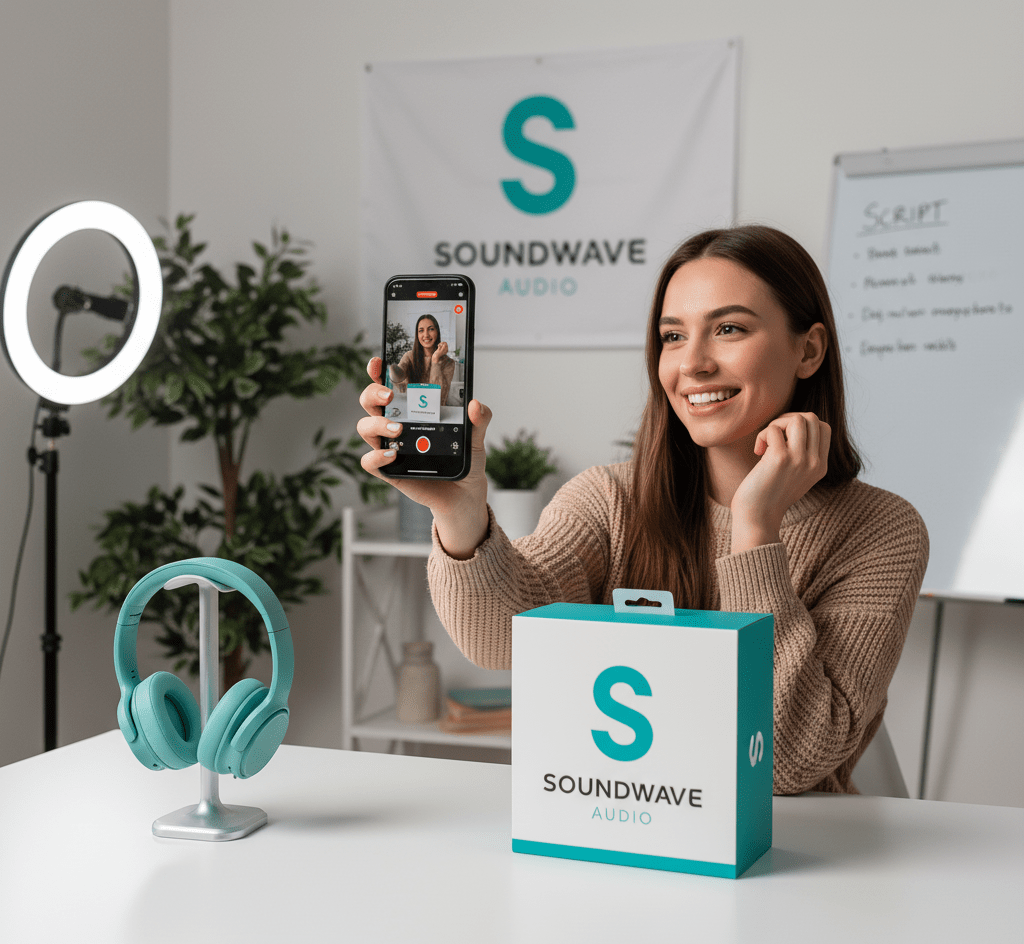
While mega-influencers command huge fees, micro-influencers deliver authentic engagement that drives real business results for startup PR campaigns. These niche experts offer targeted audiences, higher engagement rates, and affordable partnerships perfect for bootstrap budgets.
Why This Strategy is valuable:
Micro-influencers maintain authentic relationships with highly engaged audiences who trust their recommendations. Unlike celebrity endorsements that feel transactional, micro-influencer partnerships feel like friend recommendations, the gold standard for brand reputation management.
Real-World Success Story:
Glossier built a billion-dollar beauty empire primarily through micro-influencer partnerships. Instead of hiring expensive celebrities, they collaborated with everyday beauty enthusiasts who shared genuine product experiences.
Their PR campaign approach focused on user-generated content from real customers, creating an authentic brand reputation management that traditional advertising couldn’t match.
Implementation Blueprint:
- Define your niche – Identify micro-influencers whose audiences match your ideal customers.
- Research engagement rates – Prioritize authenticity over follower count
- Craft personalised pitches – Reference specific content, explain mutual benefits
- Provide creative freedom – Authentic endorsements outperform scripted promotions
- Track meaningful metrics – Monitor conversions, not just impressions
Execution Tools: Use digital marketing agencies for startup platforms like AspireIQ or Upfluence to discover micro-influencers, while pr tracking tools measure campaign effectiveness across channels.
Related: Why Every Powerful Brand Needs a Public Relations Campaign
3. Cause-Driven PR Campaigns: Brand Reputation Management Technique
Modern consumers, especially Gen Z and Millennials, choose brands based on values alignment as much as product quality. Cause-driven PR campaigns create emotional connections that transcend transactions, building brand reputation management foundations that competitors struggle to replicate.
The Emotional Connection Factor:
When your startup champions a cause that resonates with your market, you transform from vendor to ally, creating loyalty that withstands competitive pressures and price comparisons.
Research shows 73% of consumers pay premium prices for products from purpose-driven companies, while 83% consider brand values when making purchase decisions.
Inspiring Case Study:
Patagonia’s “Don’t Buy This Jacket” campaign seemed counterintuitive, a clothing company discouraging purchases. Instead, it reinforced their environmental values while generating unprecedented media coverage and customer loyalty.
The campaign proved that authentic purpose drives profit.
Campaign Development Process:
- Identify authentic alignments – Choose causes genuinely connected to your mission
- Research audience values – Ensure your chosen cause resonates with target customers
- Create actionable initiatives – Move beyond awareness to measurable impact
- Document the journey – Share behind-the-scenes progress and challenges
- Engage community participation – Transform customers into co-creators
Strategic Advantage: Cause-driven PR for startups creates organic media coverage while building emotional brand reputation management that competitors can’t easily replicate through traditional advertising.
4. Data-Driven Insights & Reports: Authority Through Numbers
Original research transforms startup PR campaigns from opinion-based pitches into fact-driven stories that journalists crave.
Industry reports, surveys, and trend analyses position your startup as the definitive authority while generating valuable backlinks and media placements.
Why Data Drives Coverage:
Journalists need credible sources and compelling statistics to support their stories.
When your startup provides original research, you become the go-to expert, earning repeated coverage while building brand reputation management through thought leadership.
Success Story Analysis:
HubSpot’s annual “State of Marketing” report has become an industry guidebook, downloaded millions of times and cited in thousands of articles.
This single PR campaign initiative generates hundreds of media mentions annually while positioning HubSpot as the definitive marketing authority.
The report’s success stems from providing genuinely valuable insights rather than thinly veiled sales content, proving that authentic value creation drives sustainable brand reputation management.
Research Campaign Framework:
- Identify knowledge gaps – What questions does your industry desperately need answered?
- Design robust methodology – Ensure findings withstand scrutiny from industry experts.
- Partner with credible organizations – Universities or industry associations add legitimacy.
- Create multiple content formats – Transform research into reports, infographics, and presentations.
- Pitch proactively – Don’t wait for discovery; actively promote findings to relevant media.
Tools for Success: Leverage pr tools for startups like Typeform for surveys, Canva for visualizations, and digital marketing strategies for startup platforms for distribution across multiple channels.
5. Podcast Guesting & Virtual Media Tours: Brand Reputation Management Build Up
Podcasts have democratized media access, creating unprecedented opportunities for PR for startup campaigns.
With over 2 million active shows, there’s a podcast for every niche, offering intimate access to highly engaged audiences who trust host recommendations.
The Advantage:
Unlike traditional media’s brief soundbites, podcasts allow deep storytelling that builds authentic connections.
Long-form conversations showcase founder expertise while humanizing your brand, creating brand reputation management that short-form media can’t achieve.
Breakthrough Case Study:
Tim Ferriss built a media empire through podcast guesting before launching his own show. His appearances on entrepreneurship podcasts generated millions in book sales and speaking opportunities while establishing him as the productivity authority.
His PR campaign strategy focused on providing actionable insights rather than promotional content, earning repeated invitations that compounded his authority over time.

Booking Strategy Blueprint:
- Research relevant shows – Identify podcasts your ideal customers actually listen to
- Craft compelling pitches – Focus on the value you’ll provide listeners, not what you’ll gain
- Prepare engaging stories – Develop 3-5 compelling anecdotes that illustrate key points
- Follow up professionally – Thank hosts, share episodes, maintain relationships
- Repurpose content – Transform interviews into blog posts, social content, speaking opportunities
Use startup pr agency strategies to systematically identify opportunities while pr tracking tools measure the impact of each appearance on website traffic and conversions.
6. Community-Centric PR: Local First, Global Next
Grassroots PR campaigns build authentic relationships that scale from local recognition to national coverage.
Community-centred initiatives create human connections that traditional advertising can’t replicate while generating organic media coverage from multiple sources.
The Compound Effect:
Local media coverage creates digital footprints that national outlets discover. Regional business journals, city magazines, and community newspapers offer accessible entry points that build momentum for larger placements.
Community engagement also creates customer advocates who provide authentic testimonials and user-generated content that strengthens brand reputation management.
Community Success Story:
Warby Parker’s early success stemmed from pop-up events in local communities, offering free eye exams and trendy glasses to underserved populations.
Their brand reputation management strategy focused on documenting community impact rather than promotional content, earning trust through authentic service that scaled nationally.
Event Strategy Framework:
- Identify community needs – Research local challenges your expertise can address
- Partner with local organizations – Collaborate with established community groups
- Document impact stories – Capture testimonials and transformation narratives
- Engage local media – Pitch human interest angles to regional outlets
- Scale successful formats – Replicate successful events in new markets
Media Amplification: Combine digital marketing agency for startups’ social strategies with traditional PR outreach to maximize coverage from community initiatives.
7. Crisis PR Playbook: Brand Reputation Management Preparation
Proactive brand reputation management prevents small issues from becoming brand-destroying crises.
Early-stage startups face unique vulnerabilities, limited resources, unproven processes, and intense scrutiny, making crisis preparation essential for survival.
The Startup Vulnerability Factor:
Unlike established companies with reputation buffers, startups can’t survive major PR disasters. A single negative review going viral or a product failure mishandled can destroy years of progress, making crisis preparation crucial for PR campaign success.
Crisis Recovery Case Study:
Buffer’s accidental user data exposure could have destroyed their startup, but their transparent crisis response became a brand reputation management masterclass.
They immediately acknowledged the problem, provided hourly updates, and implemented visible security improvements.
Instead of losing customers, they gained respect for their handling, proving that authentic crisis communication strengthens trust when executed properly.
Crisis Prevention Protocol:
- Identify potential vulnerabilities – Map scenarios specific to your industry and stage
- Establish response protocols – Define roles, messaging frameworks, and approval processes
- Create holding statements – Prepare initial responses for common scenarios
- Monitor proactively – Use reputation monitoring tools for early warning systems
- Practice response procedures – Regular drills ensure smooth execution under pressure
Strategic Advantage: Prepared startups turn crises into credibility-building opportunities while unprepared competitors suffer lasting damage to their brand reputation management.
8. Guerrilla PR Campaigns: Bold, Creative, Viral
Resource constraints force startup creativity that often produces the most memorable startup PR campaign.
Guerrilla tactics use wit, timing, and boldness to capture attention that traditional campaigns can’t achieve with unlimited budgets.
The Creativity Multiplier:
Limited budgets force innovative thinking that often produces superior results.
When Dollar Shave Club created their viral launch video for $4,500, they achieved more brand awareness than competitors spending millions on traditional advertising.
Guerrilla brand reputation management succeeds by being remarkable rather than expensive, creating shareworthy moments that amplify organically.
Viral Success Analysis:
Dropbox’s early growth hack combined product excellence with guerrilla PR genius. Their invitation-only beta created artificial scarcity while encouraging users to share referral links for additional storage.
This PR campaign strategy generated exponential growth through word-of-mouth marketing disguised as product features, proving that creativity trumps budget constraints.
Creative Campaign Development:
- Identify industry conventions – What rules can you cleverly break or parody?
- Leverage timing opportunities – Connect to trending topics or current events.
- Embrace calculated risks – Bold moves generate coverage that safe campaigns don’t
- Plan amplification strategies – Prepare social media and media outreach for viral moments.
- Measure meaningful metrics – Track conversions, not just impressions or shares.
Execution Framework: Use digital marketing services for startups to amplify guerrilla moments, while pr tools for startups track coverage across channels.
9. Strategic Partnerships: Borrowing Brand Reputation Management Credibility
Partnership-driven startup PR campaigns leverage established brands’ credibility while providing mutual value.
These collaborations create win-win scenarios that generate media coverage, expand audiences, and build brand reputation management through association.
The Credibility Transfer Effect:
When established brands partner with startups, they implicitly endorse their credibility.
This association provides instant legitimacy that typically takes years to build independently, accelerating brand reputation management development.
Partnership Success Story:
Spotify’s early partnership with Facebook transformed both platforms. Spotify gained massive user acquisition through social sharing, while Facebook enhanced user engagement through music integration.
This PR campaign strategy generated extensive media coverage while demonstrating product value through actual usage rather than theoretical benefits.
Partnership Development Process:
- Identify complementary brands – Find companies serving similar audiences with different solutions
- Develop mutual value propositions – Ensure partnerships benefit all parties genuinely
- Create collaborative content – Joint webinars, research reports, or events generate shared coverage
- Coordinate PR strategies – Amplify partnerships through synchronized affordable press release distribution
- Measure collective impact – Track how partnerships influence individual brand metrics
Strategic Integration: Combine partnerships with digital marketing agency startups’ strategies to maximize reach, while reputation management services ensure positive brand association management.
10. Awards & Competitions: Third-Party Validation
Awards provide unbiased third-party validation that strengthens brand reputation management while generating media coverage and investor credibility.
Competition participation demonstrates confidence, while awards create permanent credibility assets for ongoing PR campaigns.
The Validation Multiplier Effect:
Awards serve as credibility shortcuts, instantly communicating expertise and recognition that typically requires extensive explanation. “TechCrunch Disrupt Winner” carries more weight than lengthy product descriptions while providing media hooks for future campaigns.
Award Success Story
Canva’s early recognition in design competitions provided credibility that helped it compete against established Adobe products.
This brand reputation management strategy transformed them from an unknown startup to a legitimate Adobe competitor, accelerating user adoption and investor confidence.
Competition Strategy Framework
- Research relevant awards – Identify competitions that your target audience and media respect
- Prepare compelling entries – Craft narratives that highlight unique value propositions
- Document the journey – Create content around application processes and outcomes
- Publicize wins strategically – Use startup pr agency tactics to maximize award coverage
- Leverage ongoing credibility – Incorporate awards into all marketing and PR materials
Long-term Value: Awards create permanent brand reputation management assets that provide credibility for years, making competition investment worthwhile even without wins.
Measuring PR Success
Effective startup PR campaign measurement focuses on business impact rather than vanity metrics. While impressions and reach provide context, conversions, customer acquisition, and brand sentiment changes determine campaign success.

Essential PR Metrics:
- Media mentions quality – Evaluate publication authority and audience relevance
- Sentiment analysis – Track whether coverage positively or negatively impacts brand reputation management
- Referral traffic conversions – Measure how media coverage drives actual business results
- Share of voice growth – Monitor market conversation dominance compared to competitors
- Backlink quality improvements – Track SEO benefits from media placement
Related: How to Choose the Right Tech PR Agency for Your Startup
Conclusion
Startup PR campaigns build the visibility and credibility that transform great ideas into market-dominating businesses.
These 10 campaigns provide blueprints for building brand reputation management that competitors struggle to replicate. Each strategy has been battle-tested by startups that grew from unknown entities into industry leaders through strategic communication and authentic storytelling.
Choose one campaign from this guide and implement it within the next 30 days. Whether you start with founder-led thought leadership or micro-influencer partnerships, taking action separates successful startups from those that remain invisible.
Remember, startup PR campaign is a marathon, not a sprint. Consistency beats perfection, and authentic value creation drives sustainable brand reputation management success.
At 9-Figure Media, we’ve helped countless startups transform from unknown entities to industry authorities through strategic PR campaigns for startups. Our proven methodologies combine traditional expertise with cutting-edge technology, ensuring our clients don’t just appear in media, they dominate their market’s conversation.
If you ready to claim your share of media attention and build an unshakeable brand reputation management, these strategies in this guide provide the roadmap, but execution determines success.
