
Estimated reading time: 15 minutes
Introduction: Why Corporate Social Responsibility Matters More Than Ever
Imagine a world where businesses thrive by doing good—welcome to 2025. Today, corporate social responsibility, corporate social responsibility CSR, and corporate social responsibility companies dominate conversations about modern success.


These concepts push organizations to prioritize more than profit, focusing on societal and environmental impact. Consumers now demand transparency, employees seek purpose, and regulators tighten expectations, making CSR non-negotiable.
This article explores why CSR has evolved into a cornerstone of business strategy.
Recap: Why Corporate Social Responsibility Matters More Than Ever
In 2025, corporate social responsibility (CSR) is more than just a trend—it is a necessity for business success. Companies that integrate CSR initiatives into their core strategy gain a competitive edge, while those that ignore it risk losing relevance.
- Builds Brand Trust and Loyalty – Consumers prefer ethical brands that align with their values, fostering stronger customer relationships and long-term loyalty.
- Attracts and Retains Top Talent – Employees seek purpose-driven workplaces, making strong CSR policies a key factor in recruitment and retention.
- Ensures Business Sustainability – Companies embracing CSR strategies can future-proof operations, mitigate risks, and maintain long-term profitability in evolving markets.
- Enhances Public Image and Reputation – Positive CSR efforts generate goodwill, increasing credibility and boosting brand perception among consumers and stakeholders.
- Drives Innovation and Competitive Advantage – Sustainability-focused companies often lead in innovation, leveraging eco-friendly practices and social initiatives for market leadership.
From Apple to Starbucks, successful brands showcase the undeniable power of CSR. In contrast, companies neglecting CSR face backlash, declining trust, and lost opportunities in a socially conscious world.
Why Corporate Social Responsibility Matters More Than Ever Table of contents
- Introduction : Why Corporate Social Responsibility Matters More Than Ever
- Recap: Why Corporate Social Responsibility Matters More Than Ever
- Understanding Corporate Social Responsibility
- The Business Case for Corporate Social Responsibility
- Leading CS R Companies in 2025
- Implementing Effective C SR Programs
- Types of CSR Initiatives
- Challenges in CSR Implementation
- The Future of C SR
- Frequently Asked Questions About Corporate Social Responsibility
Definition of Corporate Social Responsibility (CSR)
Corporate social responsibility (CSR) means businesses actively contribute to societal well-being beyond legal obligations. It involves integrating ethical practices into operations, ensuring companies benefit people, the planet, and profit simultaneously.
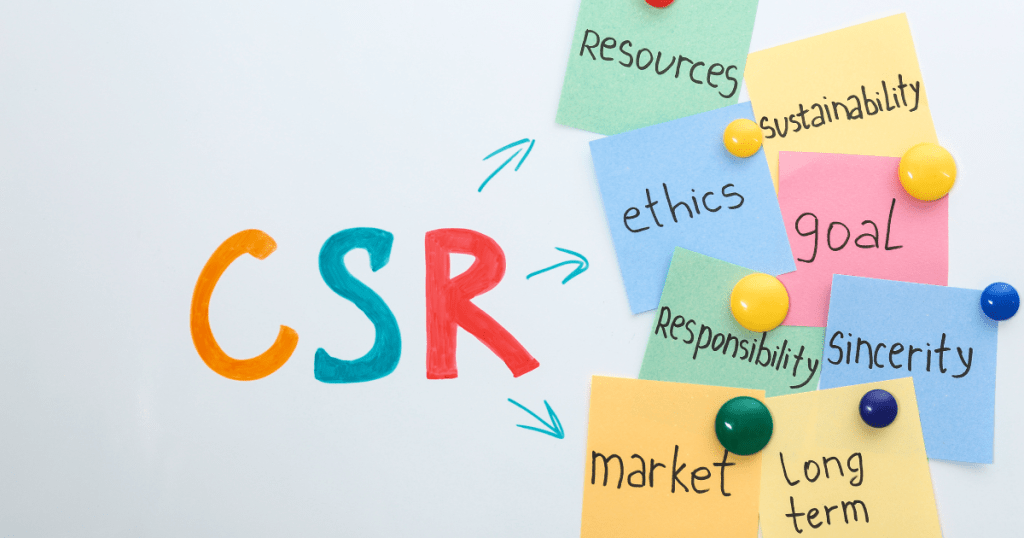
Simply put, CSR reflects a commitment to sustainable and responsible growth over mere financial gain. In 2025, this definition will drive how companies build trust and relevance.
Brief History and Evolution of CSR
CSR began in the 1950s as a voluntary concept tied to philanthropy and goodwill. Over decades, it morphed from optional charity to a structured business priority by the 2000s.
Global challenges like climate change and inequality accelerated its rise, pushing companies toward accountability.
By 2025, corporate social responsibility will intertwine with survival, not just reputation.
Statistics on the Growing Importance of CSR in 2025
Recent data underscores CSR’s critical role in today’s landscape—90% of consumers prefer ethical brands.
Additionally, 75% of Gen Z workers favor companies with strong corporate social responsibility initiatives.
Studies show that CSR-focused firms see 20% higher revenue growth than peers. These numbers prove CSR matters more than ever.
Thesis Statement: Why CSR Has Become Essential for Modern Business Success
In 2025, corporate social responsibility defines success by aligning profit with purpose for lasting impact.
It boosts customer loyalty, attracts talent, mitigates risks, and ensures regulatory compliance.
As societal expectations evolve, businesses ignore CSR risk obsolescence. This article reveals why CSR is now indispensable.
Read Also: Top 20 FleishmanHillard Alternatives That Will Boost Your Brand!
Understanding Corporate Social Responsibility
Complete Definition of Corporate Social Responsibility (CSR)
What is corporate social responsibility? It’s a framework where companies prioritize ethical, sustainable actions in daily operations.
Corporate social responsibility meaning extends beyond charity—it’s about accountability to stakeholders, from employees to ecosystems.
In 2025, CSR corporate social responsibility blends profitability with positive societal contributions seamlessly.
The Four Pillars of the Corporate Social Responsibility Pyramid
The corporate social responsibility pyramid outlines four key layers guiding CSR efforts effectively.
First, economic responsibility ensures profitability while funding initiatives ethically and sustainably.
Second, legal responsibility mandates compliance with laws across all operations globally.
Third, ethical responsibility pushes companies to exceed legal minimums with moral actions.
Finally, philanthropic responsibility involves voluntary contributions like donations or community support.
How CSR Has Evolved from Optional to Essential
Initially, CSR was a PR tool—nice-to-have, not must-have—for businesses decades ago. However, rising environmental crises and social awareness shifted its status dramatically.
By 2025, corporate social responsibility examples show it’s a strategic necessity, not an afterthought. Companies now embed CSR into their DNA to stay competitive.
Difference Between CSR and Other Business Initiatives
Unlike marketing campaigns or short-term projects, corporate social responsibility focuses on long-term societal good.

It differs from ESG (environmental, social, governance), which emphasizes measurable outcomes for investors primarily.
CSR prioritizes holistic impact—think community welfare over shareholder reports—setting it apart distinctly.
The Business Case for Corporate Social Responsibility
Benefits for Companies
Embracing corporate social responsibility delivers tangible advantages that strengthen businesses in 2025 consistently.
It enhances brand reputation, making companies more appealing to ethically minded consumers daily.
Moreover, it fosters innovation, encouraging sustainable solutions that cut costs and boost efficiency. Ultimately, CSR builds resilience against market shifts.
Read Also: 10 Top Finn Partners Alternatives You Should Consider in 2025
ROI of CSR Initiatives
Investing in CSR initiatives yields impressive returns, both financially and socially, research shows.
Companies with strong CSR programs report up to 13% higher profit margins annually.
For example, sustainable practices reduce waste, saving millions while improving public perception.
The ROI proves CSR pays off handsomely.
Consumer Expectations and Buying Patterns Related to Corporate Social Responsibility
Today’s consumers actively support corporate social responsibility companies with their wallets, studies confirm consistently.
About 87% of buyers prefer products from socially responsible brands over competitors’ offerings.
They’ll even pay premiums—up to 10% more—for CSR examples like fair trade goods. CSR shapes purchasing decisions powerfully.
Employee Retention and Recruitment Advantages
Corporate social responsibility CSR attracts top talent and keeps employees engaged in 2025 workplaces.
Millennials and Gen Z—70% of the workforce—prioritize purpose-driven employers over higher salaries often.
Companies like Patagonia retain staff longer thanks to robust CSR cultures. It’s a recruitment game-changer.
Risk Management Through CSR
Proactive CSR minimizes risks, from lawsuits to reputational damage, in an unpredictable world.
By addressing issues like labor ethics or emissions early, companies avoid costly scandals later.
For instance, corporate social responsibility benefits include dodging fines through compliance with new regulations. CSR acts as a protective shield.
Leading CSR Companies in 2025
Analysis of Top Corporate Social Responsibility Companies
In 2025, corporate social responsibility companies like Apple, Starbucks, and Unilever lead the pack.

These firms integrate CSR into their core, balancing profit with purpose effectively every day.
Their initiatives set benchmarks, inspiring others to follow suit globally. Success stems from authenticity and scale.
Case Study: CSR at Apple
Apple’s CSR shines through its ambitious environmental goals in 2025.
The company aims for carbon neutrality by 2030, using 100% renewable energy now.
Its recycling programs recover rare materials, reducing mining’s impact significantly. Apple proves CSR drives innovation and loyalty.
Case Study: Corporate Social Responsibility Initiatives at Starbucks
Starbucks excels in the CSR of Starbucks with ethical sourcing and community focus.
By 2025, it will source 99% of coffee sustainably, supporting farmers’ livelihoods worldwide.
Its Greener Stores initiative cuts energy use by 30% across locations. Starbucks blends profit with planetary care.
What Makes These CSR Programs Successful
Authenticity, scale, and alignment with brand values fuel these CSR examples.
Apple and Starbucks invest heavily, communicate transparently, and measure outcomes meticulously every year.
Their programs resonate because they solve real problems, not just polish images. Commitment trumps tokenism here.
Metrics These Companies Use to Measure CSR Impact
These leaders track CSR success with clear metrics—carbon footprints, supplier audits, and more.
Apple monitors emissions reductions, while Starbucks measures farmer income improvements annually.
Both use stakeholder feedback to refine efforts, ensuring CSR delivers results. Data drives accountability.
Read Also: Get Featured In Inc Magazine – Guaranteed
Implementing Effective CSR Programs
Key Components of Successful Corporate Social Responsibility CSR
Effective corporate social responsibility CSR hinges on strategy, not sporadic goodwill, in 2025 consistently.
It requires leadership buy-in, employee involvement, and stakeholder collaboration from the start.
Clear goals, regular assessments, and transparency build trust and impact. The structure ensures success.
How to Align CSR with Business Objectives
Aligning corporate social responsibility with goals starts by identifying overlapping priorities, experts suggest.
For instance, a retailer might cut packaging waste, boosting sustainability and profits together.
Integration ensures CSR enhances—not competes with—core operations daily. Synergy amplifies results.
The Role of a Corporate Social Responsibility Manager
A corporate social responsibility manager designs executes, and monitors CSR strategies with precision.
They bridge departments, ensuring initiatives align with company vision and values seamlessly.
In 2025, they use data to report progress to stakeholders effectively. Leadership drives CSR forward.
Creating Measurable CSR Goals
Set specific, time-bound goals—like reducing emissions by 20% by 2027—to guide CSR efforts.
Measurable targets keep teams accountable and show progress to stakeholders clearly every year.
For example, track volunteer hours or energy savings for clarity. Numbers tell the story.
Budget Considerations for CSR Initiatives
Funding CSR initiatives requires balancing ambition with practicality, experts advise regularly.
Allocate 1-5% of profits initially, scaling as ROI emerges over time. Reinvest savings from efficiencies—like lower utility costs—into bigger projects. Smart budgeting sustains impact.
Types of CSR Initiatives
Environmental Sustainability Programs
Many corporate social responsibility companies prioritize eco-friendly initiatives to combat climate change in 2025.

These include renewable energy adoption, waste reduction, and carbon offset programs daily.
For instance, Google’s net-zero campuses inspire others globally. Sustainability leads to CSR efforts.
Community Engagement and Philanthropy
Philanthropic corporate social responsibility examples strengthen ties with local communities through meaningful action.
Companies donate profits, sponsor schools, or rebuild after disasters with care. Target’s $1 billion community investment by 2030 exemplifies this approach. Giving builds goodwill.
Ethical Labor Practices and Supply Chain Management
Fair wages and safe conditions define ethical CSR in supply chains today.
Brands like Nike audit suppliers to eliminate exploitation, ensuring transparency always. Responsible sourcing protects workers and reputations alike in 2025. Ethics matter deeply.
Diversity, Equity, and Inclusion Efforts
DEI initiatives under corporate social responsibility CSR foster inclusive workplaces and societies every day.
Firms like Salesforce set hiring goals for underrepresented groups by 2025 consistently.
These efforts boost innovation and reflect societal values strongly. Inclusion drives progress.
Social Impact Investing
Investing in social good—like affordable housing—marks a bold corporate social responsibility trend now.
Companies allocate capital to projects yielding societal and financial returns together.
Goldman Sachs’ $750 million impact fund shows this in action. Purpose meets profit.
Challenges in CSR Implementation
Avoiding Greenwashing and Authenticity Problems
Greenwashing—exaggerating CSR efforts—erodes trust and damages corporate social responsibility companies quickly.
Consumers spot inauthenticity, demanding real impact over PR stunts in 2025.
Transparency and evidence-based claims prevent backlash effectively. Honesty wins loyalty.
Managing Stakeholder Expectations
Balancing diverse demands from investors, customers, and employees challenges CSR daily.
Some prioritize profit, others planet—finding harmony takes skill and communication always.
Regular updates align expectations with outcomes realistically. Dialogue bridges gaps.
Measuring and Reporting CSR Impact
Quantifying corporate social responsibility benefits remains tricky without standardized metrics, experts note often.
Companies struggle to track intangible gains like trust or goodwill accurately.
Adopting frameworks like GRI helps report progress credibly. Clarity builds credibility.
International Considerations for Global Companies
Global corporate social responsibility CSR must adapt to varied laws and cultures across borders.
What works in Europe may falter in Asia due to different priorities.
Multinationals like Coca-Cola tailor initiatives regionally for relevance. Flexibility ensures success.
Balancing Profit Motives with Social Responsibility
Profit and purpose sometimes clash, testing CSR commitment in tough times.
Short-term losses from sustainable shifts deter some firms despite long-term gains.
Leaders must champion CSR’s value to boards consistently. Vision sustains balance.
Read Also: How To Get Featured on Real Simple Magazine in 2025: Guarantee
The Future of CSR
Emerging Trends in CSR for 2025 and Beyond
In 2025, CSR trends lean toward climate action and tech-driven solutions daily.

Circular economies—reusing resources—gain traction, as do employee well-being programs rapidly.
Expect bolder commitments as societal pressures mount. Innovation shapes CSR’s future.
Technology’s Role in Advancing CSR
Tech will amplify corporate social responsibility initiatives through AI, blockchain, and data analytics in 2025.
AI optimizes energy use, while blockchain ensures ethical sourcing transparently always.
Starbucks tracks coffee origins this way, boosting trust. Tech accelerates impact.
Regulatory Changes Affecting CSR
Governments tighten rules, making corporate social responsibility CSR mandatory in many regions by 2025.
The EU’s carbon taxes and U.S. disclosure laws push compliance harder now.
Companies adapt or face penalties, embedding CSR deeper. Regulation drives accountability.
Consumer Activism and Its Influence on Corporate Social Responsibility Companies
Activists amplify demands for CSR, boycotting laggards and rewarding leaders daily.
Social media fuels this, with 65% of consumers joining campaigns in 2025. Brands like Patagonia thrive under this scrutiny consistently. Consumers shape CSR’s path.
Integration of CSR into Core Business Strategy
By 2025, CSR will become inseparable from strategy, not a side project anymore.
Companies weave it into mission statements, product design, and hiring practices fully.
Unilever’s sustainable brands outpace others, proving integration works. CSR is business now.
Conclusion
Start today—integrate corporate social responsibility (CSR) into your business strategy before falling behind competitors in 2025.
Companies that act with authenticity, assess their social impact, and set clear sustainability goals will thrive in an evolving marketplace.
Small, intentional steps today lead to significant long-term benefits for businesses, employees, and society.
More than ever, CSR initiatives have transformed from optional programs into essential business imperatives, shaping corporate reputations and consumer trust.

In 2025, the most successful companies recognize that profit and purpose are no longer separate forces but interconnected drivers of growth.
By prioritizing ethical practices, sustainability, and social impact, businesses can future-proof their operations while fostering brand loyalty.
Moreover, the modern workforce values purpose-driven employers, making strong CSR commitments a key factor in talent acquisition and retention.
Customers, too, demand transparency and responsibility, choosing brands that align with their values.
The future belongs to organizations that wholeheartedly embrace CSR, ensuring long-term success while contributing to a better world.
As market expectations continue rising, CSR strategies will separate industry leaders from those struggling to stay relevant.
The time to act is now—lead with purpose and shape a sustainable, profitable future.
Frequently Asked Questions About Corporate Social Responsibility
It’s businesses doing good for society beyond making money. Think ethical practices, sustainability, and community support rolled into one daily.
Corporate social responsibility CSR boosts profits by cutting costs and attracting loyal customers consistently. Studies show CSR firms earn 13% more than peers annually.
Apple, Starbucks, and Unilever are top CSR examples with bold, authentic initiatives. Their programs set impressive industry standards for 2025.
Small firms start with local projects—like volunteering—or sustainable practices within budgets. Every step counts toward CSR impact daily.
CSR focuses on societal good broadly, while ESG targets specific investor metrics often. Corporate social responsibility prioritizes purpose over reporting alone.
Buy from ethical brands, share their stories, and demand transparency to boost corporate social responsibility companies. Your choices shape their success in 2025.
A CSR manager needs strategy skills, sustainability knowledge, and data expertise typically. Degrees in business or CSR help too.
Track metrics like emissions cuts, employee satisfaction, or community benefits to gauge CSR success. Data shows what works clearly.
One Response