
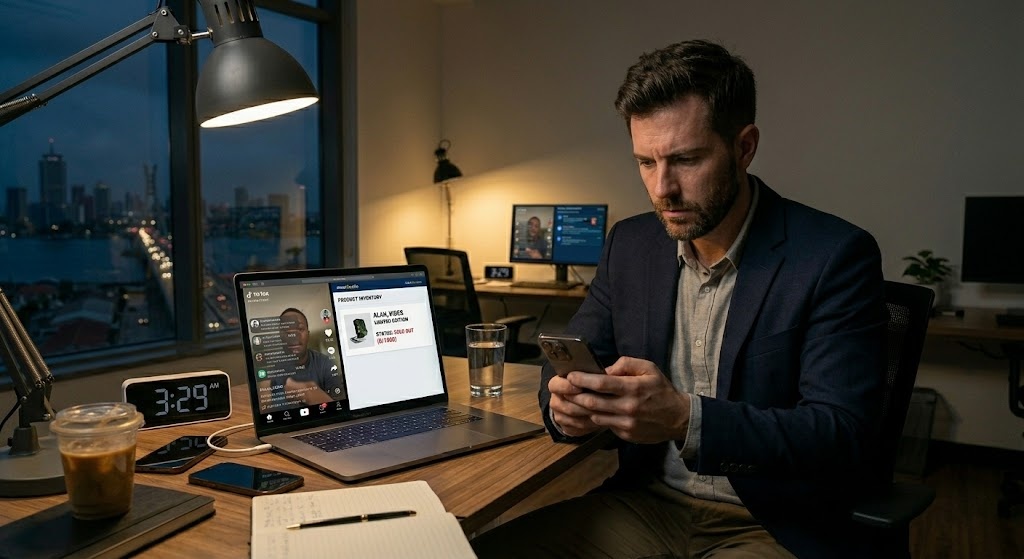
A founder sent a single DM to a micro-creator in 2022. The creator made one video, and the brand almost sold out in 72 hours. No press release, no media pitch, and no agency retainer. Just creator economy PR working exactly the way it should.

The creator economy PR space has grown into a $480 billion industry, according to Goldman Sachs. And by the end of 2026, the rules of influencer relations will have changed dramatically.
Brands that treat creators as media channels get short-term spikes. Brands that treat creators as strategic partners get long-term authority.
At 9-Figure Media, we help startups and businesses build the kind of visibility that lasts. We guarantee placements in top-tier publications like Forbes, Business Insider, and Entrepreneur.
We have seen how a strong creator economy PR strategy amplifies that media authority across every channel.
Creator Economy PR: How to Build Powerful Influencer Relations in 2026: Table of contents
- What Creator Economy PR Means in 2026
- How Influencer Relations in 2026 Have Changed
- Building a Creator Economy PR Strategy That Delivers Results
- FTC Compliance and Creator Rights in Influencer Relations 2026
- Platform-Native Creator Economy PR: Where to Focus in 2026
- How 9-Figure Media Positions Brands Through Creator Economy PR
- Creator Economy PR Is a Long-Term Competitive Advantage
- Frequently Asked Questions
What Creator Economy PR Means in 2026
The creator economy is not just YouTube stars and Instagram influencers. It is newsletter writers, podcast hosts, LinkedIn thought leaders, TikTok educators, and community builders.
It is anyone who has built an audience around a specific topic and earned their trust.
Creator economy PR is the practice of building strategic relationships with these individuals. It means using their reach, their authenticity, and their connection to specific audiences to tell your brand story.
It is one of the fastest-growing areas in modern public relations.
According to Influencer Marketing Hub, 93% of marketers say influencer marketing is effective. Furthermore, campaigns using creators see an average return of $5.78 for every dollar spent.
These are not social media vanity metrics, but real business results.
Why Traditional PR and Creator PR Must Work Together
Some brands still treat creator economy PR as separate from their traditional PR strategy. That is a mistake, the most effective brands in 2026 run both in parallel.
This is because a placement in Forbes gives you authority. A creator sharing that Forbes placement gives you reach. Together, they create a trust loop that no single channel can replicate.
Additionally, journalists increasingly look to creator spaces for story ideas and social proof. If a creator with 200,000 engaged followers is talking about your brand, a journalist at a major publication takes notice.
Consequently, strong influencer relations in 2026 can directly support your earned media strategy.
This is exactly the approach 9-Figure Media takes with clients who want maximum visibility. We combine guaranteed top-tier placements with strategic guidance on how to amplify that media authority through creator channels.
How Influencer Relations in 2026 Have Changed
The influencer relations 2026 environment looks very different from 2020. Five key shifts have changed how brands must approach creator partnerships.
1. From Transactions to Long-Term Relationships
Previously, brands paid a creator for a single post and moved on. That model is dying. Audiences can tell when a creator has a one-off deal. They discount it accordingly.
Instead, the strongest creator economy PR strategies in 2026 are built on long-term partnerships. Brands that work with the same creators over months and years build genuine credibility.
The creator becomes a real advocate, not just a paid spokesperson.
Accordingly, when you approach influencer relations 2026, think about creator partnerships the same way you think about key hires. Look for alignment, shared values, and long-term potential.
Short-term thinking produces short-term results.
2. Performance-Based Compensation Models
The flat-fee model for creator deals is being replaced by performance-based agreements. Brands now offer revenue shares, affiliate structures, and milestone bonuses. This aligns creator incentives with brand outcomes.
For example, a fintech startup might give a creator a base fee plus 10% of revenue from customers they refer. This motivates the creator to produce content that actually converts, not just content that looks good.
Consequently, the quality and authenticity of creator economy PR content improves significantly.
3.Micro-Creators Outperform Mega-Influencers
A creator with 500,000 followers might charge $50,000 per post. A creator with 15,000 followers might charge $1,500. But the smaller creator often has a 10x higher engagement rate.
Research from Markerly found that as follower counts rise above 1,000, engagement rates drop. Micro-creators — those with between 10,000 and 100,000 followers, consistently outperform larger accounts on conversion metrics.
For brands building creator economy PR on a budget, this is powerful news.
Building a Creator Economy PR Strategy That Delivers Results
Knowing that creator economy PR works is one thing. Building a strategy that actually delivers is another. Here is a step-by-step framework for getting it right.
1. Define Your Creator Criteria
Not every creator is right for your brand. Before you reach out to anyone, define exactly what you are looking for in a creator economy PR partner. Consider these factors:
- Audience alignment: Does their audience match your target customer?
- Content quality: Is their content well-produced and credible?
- Engagement rate: Are people actually responding and interacting?
- Values alignment: Do their personal values match your brand?
- Posting frequency: Do they produce content consistently?
Equally important is checking past partnerships. Has the creator worked with direct competitors?
Have they faced any public controversies? Carrying out due diligence in influencer relations in 2026 protects your brand.

2. Make Your Outreach Personal and Specific
Generic outreach fails. Creators receive hundreds of partnership requests every week. If your message reads like a template, it goes to the bin.
Effective creator economy PR outreach does three things:
- Shows that you have actually watched or read their content
- Explains specifically why you think the partnership fits their audience
- Offers clear, fair value from the very first message
Particularly for startups, leading with a genuine compliment and a specific content idea works far better than leading with a budget offer. Creators respond to people who understand them.
Make it obvious that you do.
3. Give Creators Creative Freedom
The biggest mistake brands make in creator economy PR is over-controlling the content. You hire a creator because their audience trusts them.
The moment you strip out their voice and replace it with corporate messaging, that trust disappears.
Set clear guardrails. Key messages, things not to say, and factual accuracy requirements. But otherwise, let the creator do what they do best. Their audience can tell when content feels forced.
Authenticity is the entire value proposition of influencer relations 2026.
FTC Compliance and Creator Rights in Influencer Relations 2026
The legal side of creator economy PR has become significantly more complex. Brands and creators both face real risks if they ignore compliance requirements.
FTC Disclosure Requirements
The US Federal Trade Commission (FTC) requires clear disclosure whenever a creator has been paid or given free products in exchange for content. The rules apply to social media posts, videos, newsletters, and podcast mentions.
Specifically, creators must:
- Use clear language like #ad or #sponsored in a visible location
- Disclose partnerships before any promotional content begins
- Not bury disclosures in a list of other hashtags
- Disclose even if they personally love the product
Brands that fail to ensure their creator partners follow these rules face FTC investigations and significant fines. Moreover, getting caught hiding a paid partnership destroys trust far more than any transparent #ad label ever would.
Creator Rights and Intellectual Property
In influencer relations 2026, creator contracts must clearly address intellectual property. Who owns the content once it is created? Can the brand repurpose it in ads? For how long?
These questions matter enormously. Creators are increasingly aware of their rights and less willing to sign away content ownership without fair compensation. Brands that respect creator IP build stronger, longer-lasting partnerships.
The standard in creator economy PR is now to negotiate usage rights separately from the creation fee. If you want to run a creator’s content as a paid social ad, you pay an additional licensing fee. This is fair, and it protects both parties.
Rea Also: Influencer PR Strategies: Simple Ways to Drive Result
Platform-Native Creator Economy PR: Where to Focus in 2026
Not all platforms work equally well for creator economy PR. Each platform has its own culture, its own content formats, and its own audience behavior. Here is where the real opportunity lies in 2026.
LinkedIn: The B2B Creator Goldmine
LinkedIn has transformed into one of the most powerful creator economy PR platforms for B2B brands. Creators who post long-form thought leadership content reach decision-makers, investors, and journalists in a single post.
LinkedIn creator partnerships work particularly well for:
- SaaS companies targeting enterprise buyers
- Professional services firms building industry authority
- Startups positioning their founders as industry experts
- Any brand that wants media credibility in a B2B space
Furthermore, LinkedIn content shared by creators often reaches journalists. This creates a direct link between your influencer relations 2026 strategy and your earned media coverage.
TikTok and YouTube: Storytelling at Scale
For consumer brands, TikTok and YouTube remain the dominant creator economy PR channels. Both platforms reward authentic storytelling over polished production.
The brands winning on TikTok in 2026 are those that give creators complete freedom to tell their story in their format. A 60-second TikTok from a genuine fan can outperform a $500,000 TV commercial. That is not an exaggeration.
Accordingly, the most effective approach is to seed your product with creators who are already likely to love it. When organic enthusiasm drives the content, the results far exceed paid campaigns.
This is the essence of smart creator economy PR.
How 9-Figure Media Positions Brands Through Creator Economy PR
At 9-Figure Media, we understand that visibility requires more than one approach. Our clients do not just need media placements. T
hey need a comprehensive strategy that builds authority from multiple directions at once.
Our guaranteed placement model ensures your brand gets featured in the publications that matter most. Forbes, Business Insider, Entrepreneur, Yahoo Finance.
These placements give you the credibility foundation that makes every other PR effort more effective.
Particularly when combined with a strong creator economy PR strategy, the results compound quickly. A creator shares your Forbes feature with their 80,000 followers.
Their audience trusts them, they trust the Forbes brand, and you become instantly credible to 80,000 new potential customers.
Moreover, we work with startups at every stage. Whether you are pre-revenue or scaling past Series A, influencer relations 2026 combined with guaranteed top-tier media is one of the most powerful growth strategies available.
Creator Economy PR Is a Long-Term Competitive Advantage
The brands that win in 2026 are not the loudest ones. They are the most trusted ones. And trust is built through consistent, authentic, strategic creator economy PR.
The key principles to take forward are:
- Creator economy PR works best as a long-term relationship strategy, not a one-off transaction
- Micro-creators often outperform mega-influencers on engagement and conversion
- Creative freedom produces better content than brand scripts
- FTC compliance and creator IP rights are non-negotiable in influencer relations 2026
- 9-Figure Media guaranteed placements amplify your creator strategy by adding top-tier credibility
Finally, remember the founder who sent that single DM. The creator economy rewards those who show up with genuine intent, real value, and a willingness to build something together.
Start there, the results will follow.

Frequently Asked Questions
What is creator economy PR?
Creator economy PR is the practice of building strategic partnerships with content creators, influencers, newsletter writers, podcast hosts, and other audience builders to tell your brand story authentically and reach targeted audiences.
How is influencer relations 2026 different from traditional influencer marketing?
Influencer relations in 2026 focuses on long-term partnerships, performance-based compensation, and giving creators genuine creative freedom. It is less transactional and more relationship-driven than earlier influencer marketing approaches.
How do micro-creators compare to large influencers for PR?
Micro-creators, those with 10,000 to 100,000 followers, consistently deliver higher engagement rates and better conversion results than mega-influencers. They also cost significantly less, making them ideal for startups building creator economy PR strategies.
How does 9-Figure Media support creator economy PR?
9-Figure Media secures guaranteed placements in top-tier publications that give brands the credibility foundation needed to amplify creator partnerships. When creators share your Forbes or Business Insider feature, their audiences respond with higher trust and stronger conversion.

Well organized and clear.
I’m often to blogging and i really appreciate your content. The article has actually peaks my interest. I’m going to bookmark your web site and maintain checking for brand spanking new information.