
Introduction
Navigating New York Times submissions, New York Times op ed submissions, New York Times story submissions, NY Times submissions, and New York Times article submissions can transform your entrepreneurial journey into a credibility powerhouse. These prestigious placements don’t just offer exposure. They attract investors, customers, and partnerships that fuel business growth.

Landing a spot in the NYT represents the ultimate validation for entrepreneurs. Your brand gains instant authority that opens doors to new opportunities. This transformation happens because readers trust the newspaper’s editorial standards.
This guide demystifies the submission New York Times completely. We’ll explore the New York Times submission guidelines that editors follow. You’ll discover what separates accepted pitches from rejected ones.
Professional PR agencies can guarantee results where direct submissions often fail. The 9-Figure Media team specializes in securing these coveted spots. Our expertise eliminates the guesswork.
The following sections reveal everything about the New York Times’ opinion submission requirements. We’ll cover guidelines, tips, and common pitfalls that kill submissions. You’ll learn how to craft pitches that editors can’t ignore.
New York Times Submissions: What Editors Look For Table of contents
Understanding New York Times Submissions Basics
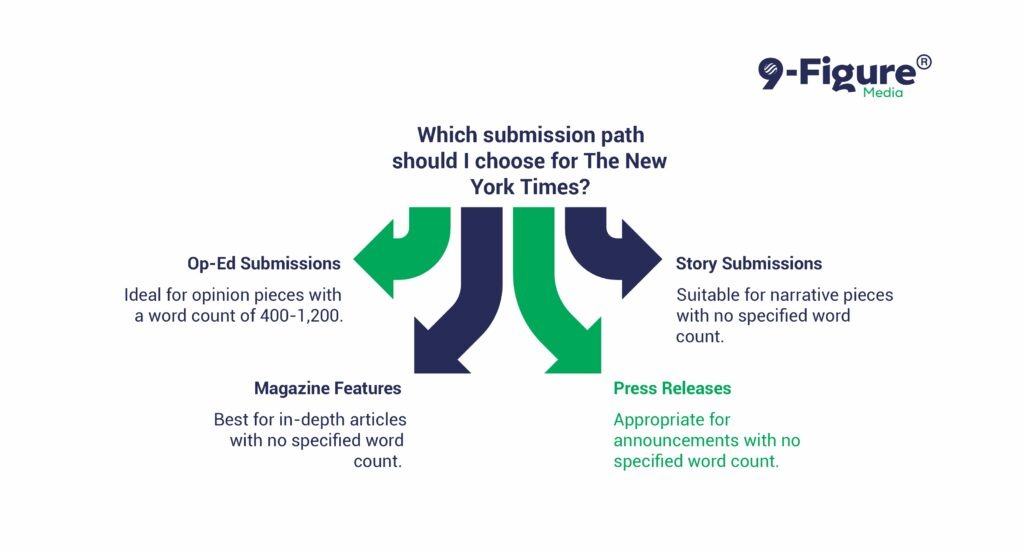
The New York Times editorial submission process starts with understanding editorial priorities. Editors focus on timely, original content that serves their readers. Your pitch must align with these core values.
NYT submission guidelines require exclusivity and relevance above all else. Stories must offer fresh perspectives on current topics. Entrepreneurs should position their insights within broader industry trends.
Word limits vary by submission type but stay consistent across categories. Op-eds range from 400-1,200 words maximum. Feature stories allow more flexibility in length.
Submit to the NYTimes requires a compelling hook within the first paragraph. Busy editors decide within seconds whether to continue reading. Your opening must grab attention immediately.
The New York Times submissions portal handles different content types separately. Opinion pieces go through dedicated channels. News stories follow different submission paths entirely.
Understanding these basics helps entrepreneurs choose the right approach. Each submission type serves different strategic purposes. Your brand goals should determine which path you pursue.
Key Differences in New York Times Op Ed Submission vs. Story Submission
New York Times op ed submission guidelines focus on argument-driven content exclusively. These pieces present clear viewpoints on current issues. Entrepreneurs use op-eds to establish thought leadership positions.
The New York Times story submission emphasizes narrative and storytelling instead. These pieces tell compelling tales about business innovations. Feature stories showcase entrepreneurial journeys and breakthroughs.
NYT op ed submission pieces must present fresh perspectives on trending topics. Editors seek unique angles that haven’t been covered extensively. Your business experience provides this differentiation naturally.
The submission of a New York Times op ed requires strong argumentation skills. Each paragraph should build toward your main thesis. Evidence and examples strengthen your position throughout.
Story submissions allow more creative freedom in structure and approach. Entrepreneurs can weave personal anecdotes into broader business lessons. This format works well for sharing startup challenges.
Professional agencies like 9-Figure Media understand these nuances perfectly. We craft submissions that match editorial expectations precisely. Our guaranteed placements eliminate uncertainty.
NY Times Submissions: Eligibility and Requirements
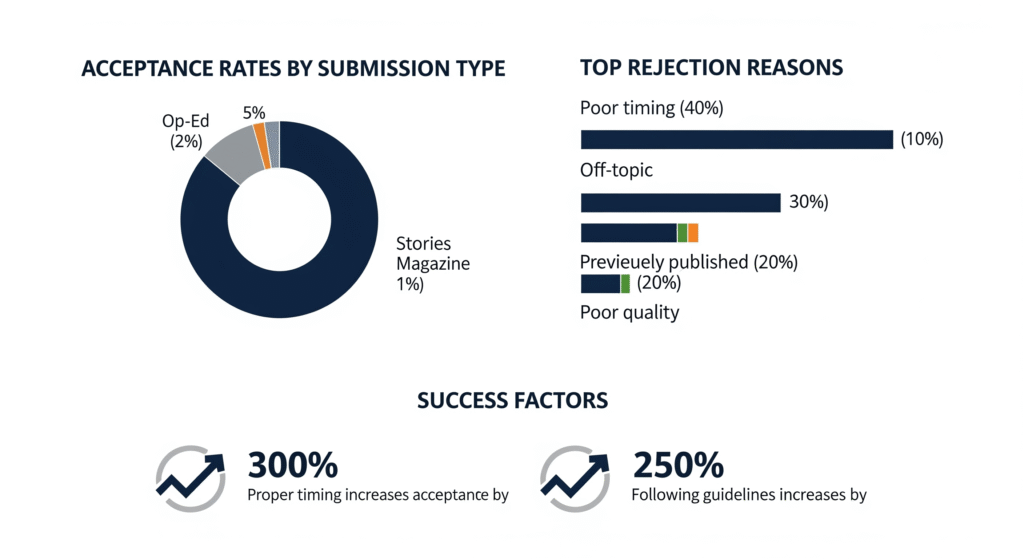
The NY Times submissions require complete originality in all submitted content. Previously published material gets rejected automatically. Your pitch must be exclusive to the Times.
NY Times article submission rules demand relevance to current events. Timely topics receive priority consideration from busy editors. Your business story should connect to trending discussions.
Submit to NY York Times requires a detailed author bio with credentials. Editors need to understand your expertise and background. Position yourself as a thought leader in your field.
The submission opinion to the New York Times process evaluates credibility carefully. Your track record and achievements matter significantly. Previous media appearances strengthen your submission chances.
Meeting these requirements opens doors to broader media visibility. Successful placements often lead to additional coverage opportunities. Other publications notice New York Times features regularly.
Professional support helps navigate these complex requirements efficiently. Case studies show how strategic guidance improves acceptance rates. Expert assistance streamlines the entire submission process.
Crafting a Winning New York Times Article Submission
New York Times article submission success depends on three core elements. Clarity, evidence, and timeliness form the foundation of acceptance. Each element must work together seamlessly.
Your submission guidelines New York Times research should inform every writing decision. Official requirements provide the framework for success. Deviation from these standards guarantees rejection.
The New York Times submits that article formats vary significantly by content type. Op-eds follow strict structural requirements. Feature stories allow more creative approaches to organization.
Turn your startup journey into compelling narrative material consistently. Readers connect with authentic entrepreneurial experiences. Personal challenges and victories resonate with audiences deeply.
Avoid common rejection triggers by following established formats precisely. The New York Times submits an op ed rewards adherence to guidelines. Professional assistance ensures compliance with all requirements.
The 9-Figure Media team streamlines this entire process for entrepreneurs. Our guaranteed results eliminate submission uncertainty. We handle formatting, positioning, and editorial relationships professionally.
Essential Tips for New York Times Story Submission
New York Times story submission requires a unique angle on familiar topics. Editors see hundreds of pitches daily. Your perspective must stand out from the crowd.
Research current editorial priorities before crafting your pitch carefully. Submit a story to the New York Times with topics that match recent coverage. Editors prefer stories that fit existing themes.
Your opening paragraph determines whether editors continue reading completely. Lead with your strongest hook and most compelling detail. Save background information for later paragraphs.
Business innovation stories perform well when they solve real problems. Entrepreneurs should highlight practical applications of their work. Concrete benefits resonate with editorial teams consistently.
Include specific data and examples to support your narrative. NYT submission editors value evidence-based storytelling approaches. Numbers and facts strengthen your credibility significantly.
Professional pitch crafting improves acceptance rates dramatically. Expert writers understand editorial preferences and requirements. Strategic positioning makes your story irresistible to editors.
Avoiding Common Pitfalls in New York Times Submissions
New York Times submissions fail when entrepreneurs ignore exclusivity requirements completely. Previously published content gets rejected automatically. Your pitch must be completely original.
New York Times op ed submission guidelines prohibit simultaneous submissions elsewhere. Editors expect exclusive consideration for their publication. Violating this rule destroys future submission opportunities.
Generic pitches without specific angles get dismissed immediately. Submit op ed to The New York Times with unique perspectives only. Your business experience should provide this differentiation naturally.
Poor timing kills otherwise excellent submissions regularly. NY Times submissions must align with current news cycles. Outdated topics receive no consideration from editors.
Lengthy pitches overwhelm busy editorial teams consistently. Keep initial queries brief and focused. Save detailed explanations for follow-up communications only.
The 9-Figure Media team helps entrepreneurs avoid these costly mistakes. Our experience identifies potential problems before submission. Professional guidance prevents wasted time and effort.
Read Also: How to Get Featured in New York Weekly in 2025: An Expert Guide
Specialized New York Times Submission Types for Entrepreneurs
New York Times magazine submissions offer entrepreneurs extended storytelling opportunities. These pieces allow deeper exploration of business topics. Magazine features build substantial credibility and authority.
New York Times guest essay submission provides another avenue for thought leadership. These pieces blend personal experience with broader insights. Entrepreneurs can share lessons learned throughout their journeys.
Submit the essay to the New York Times through dedicated channels for best results. Each submission type has specific requirements and expectations. Understanding these differences improves your chances significantly.
New York Times personal essay submissions work well for entrepreneurial stories. Personal challenges and breakthroughs resonate with readers deeply. These pieces build emotional connections with audiences.
Creative angles like New York Times art submissions suit innovative entrepreneurs. Technology leaders can explore creative applications of their work. New York Times travel submissions work for hospitality entrepreneurs.
Client testimonials show how diverse submission types build authority. Strategic variety keeps your brand visible across different sections. Professional guidance helps identify the best opportunities.
Navigating New York Times Opinion Submission
New York Times opinion submission processes prioritize argumentative content exclusively. NYT opinion submission pieces must take clear stances on issues. Fence-sitting approaches get rejected consistently.
Opinion New York Times submission guidelines require supporting evidence throughout. Your business experience provides valuable examples and insights. Personal anecdotes strengthen abstract arguments significantly.
Submit an opinion piece to The New York Times with confidence in your expertise. Editors seek authoritative voices on business and economic topics. Your entrepreneurial background provides this credibility naturally.
The New York Times’ opinion piece submission process moves quickly for timely topics. Breaking news creates opportunities for rapid response pieces. Entrepreneurs should monitor current events for openings.
Strategic keyword usage,e like New York Times opinion piece submission, helps with discovery. Editorial searches look for specific terms and phrases. Professional optimization improves your visibility significantly.
Opinion placements often lead to speaking opportunities and partnerships. Thought leadership positions attract business opportunities naturally. These placements provide long-term value beyond initial exposure.
Press Release and Editorial Strategies in NY Times Submissions
New York Times press release submission requires newsworthy announcements exclusively. Submit press release to the New York Times only with significant business developments. Minor updates won’t receive editorial attention.
NY Times submission guidelines for press releases emphasize timing and relevance. Major funding rounds, product launches, and partnerships qualify. Your announcement must impact broader business communities.
NY Times editorial submissions and NYT editorial submissions serve different strategic purposes. Editorials express the company’s viewpoints on industry issues. These pieces position your brand as a thought leader.
Press releases work best for announcing concrete business milestones. Editorial submissions work better for sharing insights and opinions. Understanding these differences improves your strategic approach.
Professional press release distribution ensures proper formatting and targeting. The 9-Figure Media team handles technical requirements and relationships. Our guaranteed placements eliminate uncertainty and delays.
Business milestone features often generate additional coverage opportunities. Other publications notice the New York Times announcements regularly. Strategic timing maximizes your media impact significantly.
Read Also: Top 15 Game-Changing PR Agencies in New York You Need to Know In 2025
Advanced Strategies for Successful Submissions
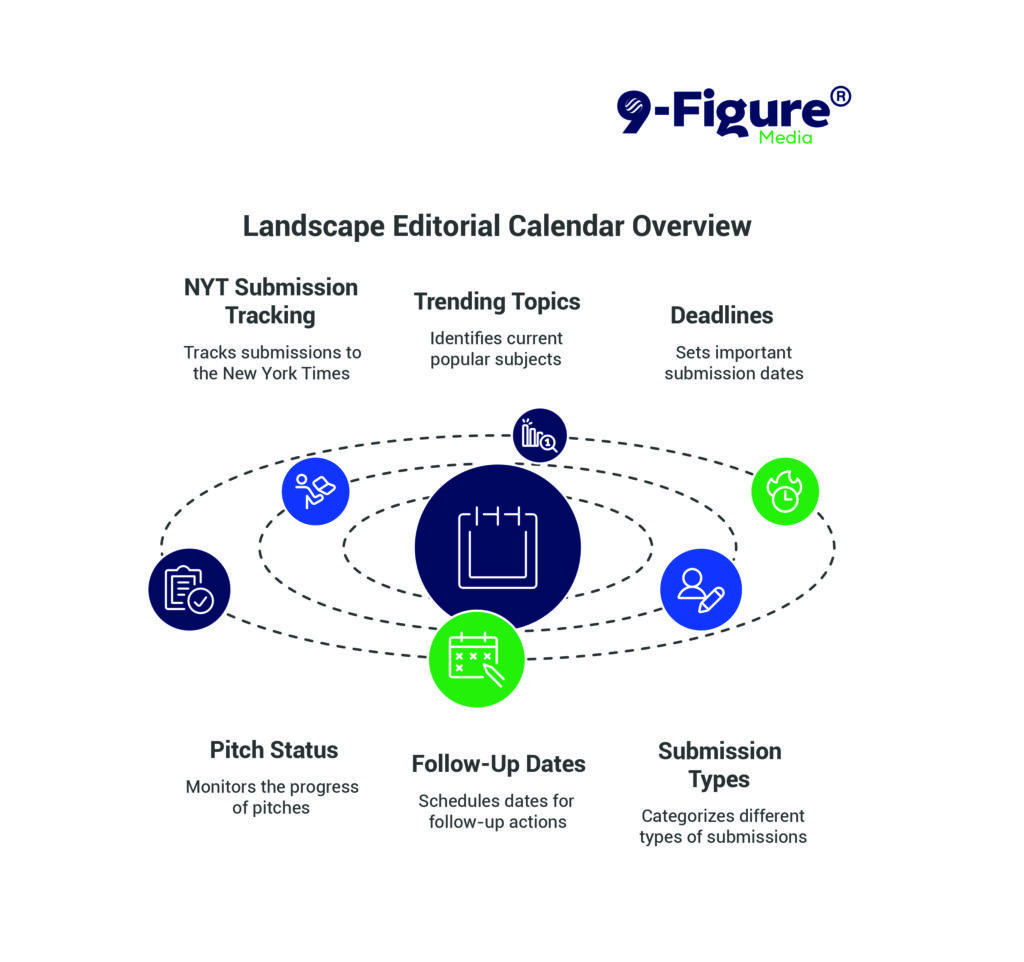
Submitting to the New York Times magazine requires understanding their editorial calendar. Feature planning happens months in advance. Your timing must align with upcoming themes.
New York Times freelance submissions offer alternative paths to publication. Freelance relationships can lead to regular assignment opportunities. Building these connections takes time and persistence.
The NYTimes submits op op-ed timing matters more than perfect content. Breaking news creates immediate opportunities for commentary. Entrepreneurs should respond quickly to relevant developments.
Submitting to the NYT through multiple channels increases your visibility. Different editors handle various content types. Strategic distribution improves your overall success chances.
Niche areas like New York Times parenting submissions suit family-focused entrepreneurs. New York Times metropolitan diary submissions work for local business stories. Diverse approaches maintain editorial interest.
Follow-up communications should be brief and professional always. Editors receive hundreds of pitches weekly. Respectful persistence sometimes pays off significantly.
Leveraging New York Times Magazine Submissions Guidelines
NY Times magazine submissions and New York Times magazine submissions guidelines differ from daily newspaper requirements. Magazine pieces allow deeper exploration of topics. These features build substantial authority and credibility.
Submissions New York Times magazine require months of planning. Editorial calendars determine feature topics and timing. Your pitch must align with upcoming themes.
NYT magazine submissions benefit from professional photography and graphics. Visual elements enhance storytelling and reader engagement. Production quality matters significantly for magazine features.
Success stories from submissions New York Times magazine demonstrate transformative business impact. These placements attract investor attention and partnership opportunities. Magazine features provide long-term value.
Complex submissions, like submitting to the New York Times magazine, benefit from professional assistance. The 9-Figure Media team understands magazine requirements completely. Our expertise streamlines the entire process.
Magazine placements often lead to speaking engagements and industry recognition. These features position entrepreneurs as authoritative voices. Long-form content builds deeper credibility than brief mentions.
Building a Submission Portfolio for Long-Term Success
New York Times essay submissions form the foundation of editorial portfolios. New York Times blog submission opportunities provide additional visibility channels. Consistent submissions build relationships with editorial teams.
Track all submissions, like submitting writing to the New York Times and submitting an essay to the New York Times, carefully. Detailed records help identify successful patterns and approaches. This data improves future submission strategies.
Portfolio building requires patience and strategic thinking. Get featured in Forbes, get featured on Forbes, and how to get featured in Forbes complements NYT placements. Multiple publication features build comprehensive authority.
How to get on Forbes magazine and how to get featured on Forbes strategies work similarly to NYT approaches. How to get published in Forbes requires understanding their editorial preferences. The Forbes contributor network offers alternative pathways.
Get published in Forbes through Forbes submissions and Forbes op ed submission channels. Forbes feature placements complement New York Times coverage perfectly. Forbes article submission requirements parallel NYT standards.
The 9-Figure Media team manages comprehensive media strategies holistically. Our approach includes Forbes contributor guidelines and Forbes submission optimization. We handle Forbes opinion submission and how to get in Forbes strategically.
Read Also: How to Get Published on the New York Times in 2025: Guaranteed
FAQ
What are the New York Times op ed submission guidelines?
Based on nytimes.com/opinion/submissions, New York Times op ed submission guidelines require 400-1,200 words maximum. Content must be original and timely. The New York Times submits op ed via email with clear subject lines. Entrepreneurs should focus on unique business insights.
How do I handle NY Times submissions for stories?
New York Times story submission requires checking the NY Times submission guidelines at nytimes.com/submissions. Pitches need strong narratives. Submit to the NY Times via specific editorial desks. This showcases entrepreneurial innovations effectively.
What’s involved in New York Times article submission?
New York Times article submission requires following guidelines New York Times completely. Emphasize relevance and exclusivity throughout. Use the submit article to the New York Times portal appropriately. This builds entrepreneurial credibility significantly.
Can I submit a press release to The New York Times?
Yes, through the New York Times press release submission channels. Align with editorial standards per official guidelines. Entrepreneurs boost visibility this way. Consider professional agencies for guaranteed placement results.
How to submit op ed to the New York Times successfully?
Follow op ed submission New York Times rules precisely. Be concise, argumentative, and current. NYT op ed submission favors fresh perspectives. Entrepreneurs leverage this for brand authority building.
Conclusion
Mastering New York Times submissions requires understanding editorial preferences completely. New York Times op ed submission, NY Times submissions, and related processes demand originality, timeliness, and relevance. These official guidelines provide your roadmap to success.
Entrepreneurs now possess the tools for crafting compelling pitches. Your brand can achieve influential features that inspire trust. These placements drive business growth and open new opportunities.
Direct paths like submitting op ed to the New York Times offer significant opportunities. The process requires time and strategic thinking. Professional support eliminates uncertainty and improves success rates.
Featured in Forbes, get published on Forbes, and how to be featured in Forbes complements NYT strategies. The Forbes contributor program and becoming a Forbes contributor provide additional pathways. How to become a Forbes contributor parallels NYT approaches.
Ready to get featured? Contact 9-Figure Media today for guaranteed media placements. We build your authority without uncertainty or delays.
Good PR experiences come from agencies that understand the media landscape. Top PR strategies in 2025 help your business get featured on Forbes.
Using top PR strategies, a PR agency can boost visibility and ensure your business gets featured on Forbes and Bloomberg efficiently.
Awesome! Its genuinely remarkable post, I have got much clear idea regarding from this post
Using top PR strategies, a PR agency can boost visibility and ensure your business gets featured on Forbes and Bloomberg efficiently.
Great information shared.. really enjoyed reading this post thank you author for sharing this post on pr agencies