
A powerful media strategy and effective media relations strategies form the backbone of brand success today. Your public relations social media strategy must work alongside traditional public relations and media relations to create a meaningful impact in 2025.
Research shows that brands with structured media approaches grow three times faster than competitors without clear plans.

The digital ecosystem has become increasingly complex, making strategic media engagement no longer optional but essential for survival.
This guide will help you navigate the evolving media landscape and build a framework that generates real results for your brand.
9-Figure Media PR Agency has helped hundreds of brands secure featured placements in top-tier publications through our proven methodologies.
Why Your Brand Needs a Strong Media Strategy Now Table of contents
- Understanding Modern Media Strategy: The Evolution of Public Relations and Media Relations
- The Real Cost of Media Invisibility: Why Brands Without a Media Strategy Are Being Left Behind
- The Visibility Crisis: Understanding the Algorithm Changes Affecting Brand Reach
- Quantifying Lost Opportunities: The Business Impact of Poor Media Presence
- Competitor Analysis: What Market Leaders Are Doing Right in Their Media Relations Strategies
- The Authority Gap: How Media Presence Builds Credibility
- Building Your Comprehensive Media Strategy Framework
- Step 1: Defining Your Media Relations Goals and Key Performance Indicators
- Step 2: Audience Segmentation and Media Channel Selection
- Step 3: Developing Your Core Brand Narrative and Messaging Architecture
- Step 4: Creating a Media Relations Calendar and Content Pipeline
- Step 5: Building Meaningful Relationships with Journalists and Media Outlets
- The Public Relations Social Media Strategy Integration Playbook
- Measuring Success: Key Metrics for Your Media Relations Strategies
- The 9-Figure Media Advantage: Guaranteed Placement on Major Outlets
- Conclusion
- Frequently Asked Questions About Media Strategy and Media Relations
- What is a media strategy?
- Key components of effective media relations strategies
- How to develop a public relations social media strategy
- Impact of media coverage on brand metrics
Understanding Modern Media Strategy: The Evolution of Public Relations and Media Relations
The Shifting Landscape of Media Consumption in 2025
The way people find and consume information has changed dramatically in recent years. Traditional media outlets no longer hold exclusive power over public attention and perception. Social platforms have fragmented audience attention across countless channels.
New content formats emerge constantly, requiring brands to adapt their public relations writing approach. The average person now consumes over seven hours of media daily across multiple devices and platforms. This fragmentation creates both challenges and opportunities for strategic brand communication.
Mobile consumption continues to dominate, with 73% of media engagement happening on smartphones or tablets.
Voice search and audio content have created new dimensions for media in public relations work. Brands must optimize their communication for these evolving technologies and formats.

Why Traditional PR Approaches Are Failing Brands Today
Conventional public relations strategies focusing solely on press releases and media pitches fall short in today’s environment. The old “spray and pray” method of sending mass pitches yields diminishing returns as journalists receive hundreds of pitches daily.
Newsrooms have shrunk by over 60% in the past decade, with fewer journalists covering more topics.
Most brands still rely on outdated metrics that don’t reflect true business impact. This disconnect prevents accurate measurement of why PR is important to bottom-line results.
The pace of news cycles has accelerated to hourly rather than daily rhythms. This speed makes reactive communication insufficient for maintaining brand relevance.
Many companies miss connection opportunities by treating media and PR as separate from their overall marketing strategy.
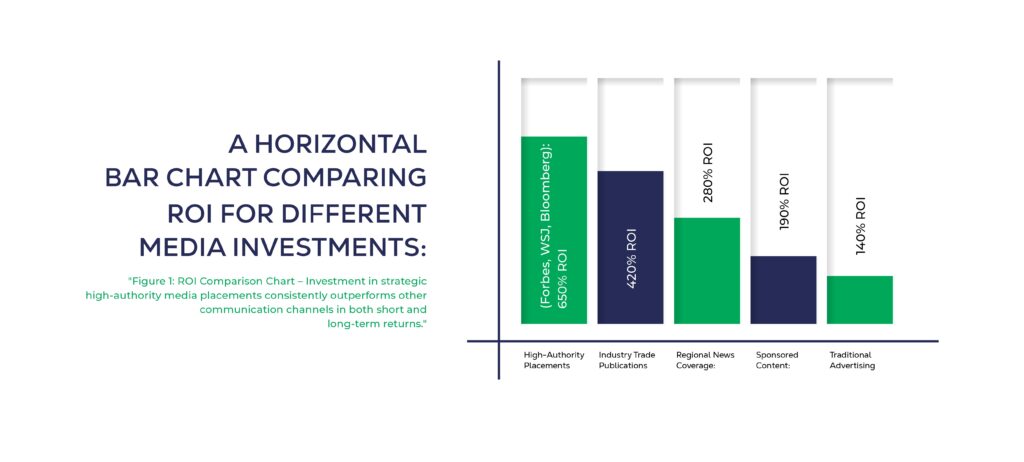
The Convergence of Public Relations, Social Media Strategy, and Digital Marketing
Successful brands now integrate their public relations social media strategy with broader marketing efforts. This unified approach creates consistent messaging across all customer touchpoints and interaction channels.
The lines between earned, owned, and paid media continue to blur. Smart brands leverage this convergence through a well-structured public relations social media strategy rather than maintaining outdated silos.
Content now flows between traditional outlets and social channels in complex, interconnected ways, making it essential that your public relations social media strategy aligns with evolving media consumption habits.
What begins as a trade publication article might become a viral LinkedIn post. That LinkedIn post might then inspire a mainstream media story—just one example of how a thoughtful public relations social media strategy can amplify reach.
Audience engagement metrics now influence journalist decisions about what stories to cover. A data-driven public relations social media strategy ensures that your brand generates the right signals to attract media interest.
A modern public relations social media strategy is not optional—it’s the backbone of any brand aiming to build credibility, visibility, and trust.
Read Also: Explore The Top 10 Channel V Media Alternatives: Expert Pick
Case Study: How Nike Transformed Their Visibility Through Strategic Media Relations
Nike revolutionized their brand presence by implementing integrated media relations in PR tactics across channels. They shifted from product-focused communication to story-driven content that resonated with core audience values.
Their communications team developed direct relationships with key journalists in sports, business, and lifestyle verticals. These connections provided invaluable insight into changing editorial priorities.
Nike created a responsive media center providing journalists with real-time assets and expert interviews. This resource streamlined the coverage process for time-pressed reporters.
By monitoring social conversations, they identified trending topics and aligned their PR in media messaging accordingly. This approach generated over 300% more organic coverage than their previous year’s results.
Nike’s success demonstrates why media relations is important for sustained brand growth and market leadership.
The Real Cost of Media Invisibility: Why Brands Without a Media Strategy Are Being Left Behind
The Visibility Crisis: Understanding the Algorithm Changes Affecting Brand Reach
Recent algorithm updates across major platforms have drastically reduced organic visibility for brands. Without strategic intervention, your content reaches fewer than 5% of your followers on most platforms.
Search engines now prioritize authoritative voices with proven credibility. This shift has created barriers for brands without established media relations strategies.
Platform policies increasingly favor personal content over branded messages. This trend requires new approaches to public relations in media work.
The pay-to-play model has become dominant across digital channels. Brands without strategic plans waste budget on inefficient visibility campaigns.
Voice search optimization has emerged as a critical factor, with over 40% of adults using voice commands daily.
Quantifying Lost Opportunities: The Business Impact of Poor Media Presence
Companies with limited media visibility experience 37% higher customer acquisition costs than those with strong media footprints. The hidden expense of media invisibility directly impacts profit margins.
Venture funding data reveals investors are 4.5 times more likely to engage with brands having regular media coverage. This connection demonstrates why is public relation important to business growth.
Recruitment costs increase by 28% for companies lacking strong media presence. Top talent gravitates toward organizations with visible industry leadership.
Sales cycles extend by an average of 18 days when prospects cannot find independent validation of brand claims. This delay affects revenue forecasting and cash flow management.
Brands with poor media presence report 42% lower referral rates than those with strong visibility. This deficit compounds customer acquisition challenges.

Competitor Analysis: What Market Leaders Are Doing Right in Their Media Relations Strategies
Industry leaders maintain active relations with media professionals across multiple channels. They provide exclusive access and unique insights rather than standard promotional content.
Top performers create custom content packages for different media segments. This targeted approach yields twice the coverage with half the outreach effort.
Leading brands leverage data storytelling to provide journalists with exclusive insights. These valuable resources help reporters create compelling, authoritative content.
Market leaders respond to breaking news with expert commentary within one hour. This responsiveness generates consistent inclusion in trending stories.
Successful companies train multiple executives as media spokespeople. This practice ensures consistent messaging while expanding coverage opportunities.
The Authority Gap: How Media Presence Builds Credibility
Brands with strategic media presence enjoy 68% higher trust ratings than those without regular coverage. This trust directly influences purchasing decisions and customer loyalty.
Third-party validation through media amplifies the impact of marketing messages. Studies show consumers require 5-7 brand touches before purchase, but only 2-3 when media coverage is involved.
Search algorithms increasingly favor brands with quality media mentions. This preference creates a compounding advantage for visibility in organic search results.
Expert positioning through media coverage transfers authority and builds the perception of industry leadership. This perception influences buying committee decisions.
Regular media presence creates a protective buffer during crisis situations. Brands with established credibility recover faster from negative events.
Read Also: The Celebrity PR Handbook: Essential Tactics Every Star Should Know
Building Your Comprehensive Media Strategy Framework
Step 1: Defining Your Media Relations Goals and Key Performance Indicators
Start by aligning your media relations strategies with specific business objectives. Clear goals provide direction and measurement benchmarks for your efforts.
Effective goals connect media activities to business outcomes like lead generation or sales growth. Avoid vanity metrics that don’t translate to bottom-line impact.
Set both short-term and long-term objectives for your media program. Quick wins build momentum while long-term goals create sustainable value.
Develop KPIs that measure both output (activities completed) and impact (business results). This balanced approach provides comprehensive performance insight.
Common media strategy KPIs include message penetration, share of voice, sentiment analysis, and conversion attribution. Choose metrics that align with your specific goals.
Review and refine your objectives quarterly based on results and changing market conditions. This flexibility keeps your strategy relevant and effective.
Step 2: Audience Segmentation and Media Channel Selection
Identify your primary audience segments and their preferred information sources. Different demographics consume media through distinct channels and formats.
Map the customer journey for each segment to identify critical information needs. This understanding helps target content to maximum effect.
Research media consumption habits specific to your industry and audience. Some sectors rely heavily on trade publications while others favor social channels.
Match channel selection to audience behavior rather than internal preferences. Your personal media habits may not reflect your customers’ consumption patterns.
Prioritize channels based on audience value and influence rather than size alone. A smaller, highly-engaged audience often delivers better results than mass reach.
Develop distinct approaches for earned, owned, and paid media channels. Each requires different tactics while maintaining consistent messaging.
Step 3: Developing Your Core Brand Narrative and Messaging Architecture
Create a compelling central narrative that communicates your brand’s unique value. This story forms the foundation of all media communications.
Craft key message pillars that support your core narrative across different topics and situations. These pillars ensure consistency while allowing flexibility.
Develop supporting points and proof elements for each key message. These details provide substance and credibility to your communication.
Prepare messaging variations for different audience segments and situations. This preparation allows quick response to media opportunities.
Create a message evolution roadmap that anticipates market changes and proactively positions your brand. This foresight prevents reactive communication.
Document your messaging architecture in a centralized resource accessible to all stakeholders. This accessibility ensures consistency across teams.
Step 4: Creating a Media Relations Calendar and Content Pipeline
Build a strategic calendar aligned with industry events, seasonal trends, and business milestones. This planning prevents last-minute scrambling for content.
Map your content needs across owned, earned, and paid channels. Identify opportunities for content repurposing to maximize efficiency.
Schedule regular content brainstorming sessions involving diverse team perspectives. These collaborations generate fresh ideas and approaches.
Develop a standardized process for content development, approval, and distribution. Clear workflows improve efficiency and maintain quality standards.
Create content briefs that align each piece with strategic objectives and target audiences. These briefs prevent drift from core messaging.
Build buffer time into your calendar for breaking news and unexpected opportunities. This flexibility allows responsive engagement with emerging topics.
Step 5: Building Meaningful Relationships with Journalists and Media Outlets
Research individual journalists before making contact. Understanding their interests and past work demonstrates respect and increases response rates.
Provide genuine value in every interaction rather than simply pitching stories. Share insights, make connections, or offer expert resources.
Personalize each outreach based on the journalist’s specific needs and preferences. Mass pitches typically generate poor results and damage relationships.
Respect deadlines and format requirements when providing information. These professional courtesies build positive working relationships.
Maintain regular contact even when not actively pitching stories. Building rapport during quiet periods creates receptiveness during campaigns.
Track relationship development in a centralized system accessible to your team. This documentation prevents duplicate outreach and builds institutional knowledge.

Read Also: How to Craft a PR Strategy That Gets Results: A Step-by-Step Guide for Startups
The Public Relations Social Media Strategy Integration Playbook
Social Listening: The Foundation of Effective Media Relations
Implement robust social listening to identify emerging trends and conversations. These insights allow proactive rather than reactive media engagement.
Monitor key journalists and outlets to understand their changing priorities. This awareness helps align your pitches with their current interests.
Track competitor coverage and messaging to identify opportunities and threats. This intelligence informs strategic positioning decisions.
Use sentiment analysis to gauge public perception of your brand and industry. These metrics provide early warning of potential issues.
Create custom dashboards tracking mentions of specific keywords, competitors, and industry topics. These tools provide quick situational awareness.
Schedule regular review sessions to analyze listening data and update strategies. This practice ensures continual alignment with market realities.
Content Amplification Techniques Across Media Channels
Develop a systematic approach to extend the reach of your media coverage. Strategic amplification multiplies the impact of each placement.
Create a standard operating procedure for sharing media mentions across owned channels. This process ensures consistent promotion of coverage.
Prepare supplementary content that adds context to media placements. Blog posts, social graphics, and video clips enhance engagement with coverage.
Empower employees to share company news through their professional networks. This approach expands reach through trusted personal connections.
Consider targeted paid promotion for your highest-value media placements. Strategic investment amplifies visibility among key audience segments.
Track traffic and engagement metrics from amplification efforts. This measurement identifies the most effective promotion channels.
Crisis Management in the Age of Viral Content
Develop a crisis communication framework before you need it. Preparation prevents panic decision-making during high-pressure situations.
Identify potential vulnerability scenarios specific to your industry and brand. This foresight allows development of response templates.
Establish clear roles and approval processes for crisis communication. These guidelines prevent confusion and delays when quick action is needed.
Practice crisis simulations regularly with your communication team. These exercises build confidence and identify process improvements.
Monitor social channels continuously during active crises. Real-time awareness allows adjustment of messaging based on public response.
Document lessons learned after each crisis event or simulation. This knowledge improves future response effectiveness.
How to Leverage User-Generated Content in Your Public Relations Efforts
Create frameworks for identifying and promoting customer stories. Authentic user experiences often resonate more than brand messaging.
Develop clear guidelines for requesting permission to use customer content. Proper attribution builds trust and prevents legal issues.
Implement systems for tracking and responding to brand mentions across platforms. This engagement encourages continued customer advocacy.
Create themed campaigns that invite specific types of user content. Structured participation often generates higher-quality submissions.
Prepare moderation processes for managing inappropriate or off-brand content. These protocols protect brand reputation while encouraging participation.
Acknowledge and thank contributors consistently. Recognition encourages ongoing engagement and content creation.
Measuring Success: Key Metrics for Your Media Relations Strategies
Beyond Vanity Metrics: Tracking Meaningful Media Relations KPIs
Focus on quality metrics over volume measurements. Twenty high-value placements often outperform hundreds of low-impact mentions.
Track message penetration rather than simple mention counts. This approach measures whether key points appear in coverage.
Monitor sentiment alongside quantity metrics. Negative coverage, regardless of volume, rarely benefits your brand.
Measure reach within specific target audiences rather than general visibility. This precision better reflects potential business impact.
Track engagement metrics that show audience interaction with your media coverage. Shares, comments, and clicks indicate content resonance.
Develop a scoring system for media placements based on outlet authority, audience alignment, and message inclusion. This framework provides standardized evaluation.
Attribution Models for Media Strategy ROI
Implement multi-touch attribution to understand how media coverage influences the buyer journey. This approach reveals the true business impact of PR activities.
Use unique tracking URLs for different media placements. These links enable source attribution for web traffic and conversions.
Integrate customer feedback surveys asking how new clients discovered your brand. This direct feedback reveals valuable attribution insights.
Create dedicated landing pages for major media campaigns. These destinations allow precise tracking of coverage impact.
Analyze time correlations between media placements and business activities. These patterns often reveal relationships between coverage and outcomes.
Document qualitative feedback from sales teams regarding deal influence. This perspective provides context beyond numerical metrics.
Tools and Platforms for Media Relations Monitoring and Analysis
Select monitoring platforms aligned with your specific industry and market needs. Different tools offer varying coverage across media segments.
Implement dashboard systems providing real-time visibility into coverage and metrics. Accessible data encourages data-driven decision making.
Consider AI-powered tools for sentiment analysis and trend prediction. These technologies provide deeper insight than traditional monitoring.
Integrate media monitoring with broader marketing analytics platforms. This connection reveals relationships between PR and other marketing activities.
Implement competitive benchmarking capabilities within your monitoring system. Comparative data provides context for performance evaluation.
Schedule regular data review sessions with key stakeholders. These meetings ensure metrics inform strategic decisions.
Setting Benchmarks: Industry Standards for Media Strategy Performance
Research industry averages for key metrics like share of voice and sentiment ratios. These standards provide context for your performance.
Establish baseline measurements before launching new initiatives. These starting points enable accurate assessment of progress.
Set tiered goals representing minimum acceptable results, target performance, and stretch objectives. This framework accommodates varying campaign potential.
Review benchmarks quarterly based on changing market conditions and competitive activity. This practice ensures relevant performance standards.
Compare performance across different market segments and regions. These comparisons reveal opportunities for cross-pollinating successful approaches.
Document benchmark adjustments and rationales. This history creates an institutional understanding of performance expectations.
The 9-Figure Media Advantage: Guaranteed Placement on Major Outlets
Our Proven Process for Securing Coverage on Top-Tier Publications
9-Figure Media has developed systematic approaches for each major publication. These tailored methods reflect the unique priorities of different outlets.
Our team includes former journalists from top-tier publications. Their insider knowledge informs pitch development and relationship management.
We conduct thorough pre-pitch research to align stories with current editorial priorities. This preparation dramatically increases acceptance rates.
Our proven formula combines newsworthiness, exclusivity, and data-driven insights. This approach consistently breaks through editorial barriers.
We maintain a structured follow-up process that maximizes placement opportunities. This persistence often secures coverage that would otherwise be missed.
Our quality control system ensures every pitch meets our exacting standards. This consistency builds our reputation with media gatekeepers.
Client Success Stories: From Obscurity to Industry Authority
A financial technology startup achieved 27 tier-one placements in their first quarter with our agency. This visibility directly supported their successful funding round.
We transformed a regional healthcare provider into a national thought leader through strategic media placement. Their CEO now receives regular interview requests.
A consumer product brand recovered from negative coverage through our reputation management program. Positive sentiment increased by 87% within six months.
We helped a B2B software company secure inclusion in key industry analyst reports. This recognition shortened their sales cycle by 40%.
Our work with a sustainability-focused brand generated interview opportunities on major broadcast networks. This exposure doubled their website traffic.
These results demonstrate the power of strategic media relations when executed with precision.
The Forbes, Bloomberg, Business Insider, and WSJ Advantage
Coverage in prestigious publications creates compounding benefits beyond initial visibility. These placements build lasting credibility and search performance.
Our guaranteed placement approach removes uncertainty from your media strategy. This assurance allows confident planning of follow-on marketing activities.
The third-party validation from respected outlets transfers authority to your brand. This endorsement effect influences purchasing decisions.
Major publication logos on your website create an immediate trust signal for new visitors. This credibility increases conversion rates across marketing channels.
Content from authoritative sources receives preferential treatment in search results. This advantage creates long-term visibility benefits.
Our approach ensures your brand message appears in properly positioned articles. This control prevents misrepresentation of your company.
Timeline to Results: What to Expect When Working with Media Relations Experts
Initial strategy development typically requires 2-3 weeks of research and planning. This foundation ensures targeted, effective campaigns.
First-tier placements generally appear within 30-45 days of program launch. This timeline allows proper development of compelling angles.
Comprehensive media presence across multiple outlets develops within 90 days. This period establishes your foundational visibility.
Measurable business impacts typically emerge within 4-6 months of sustained coverage. This timeframe allows momentum to build.
A complete industry authority position usually requires 9-12 months of strategic execution. This development creates a lasting market position.
Our transparent reporting keeps you informed throughout the process. Regular updates prevent surprises and build confidence.
Conclusion
In today’s competitive environment, a strong media strategy is no longer optional. Brands that implement cohesive media relations strategies gain significant advantages in visibility, credibility, and customer acquisition.
The integration of traditional public relations and media relations with modern digital approaches creates powerful momentum. This unified approach breaks through the noise and captures audience’s attention.
The time to develop your strategic media presence is now, before competitors further solidify their positions. Will your brand lead the conversation or struggle to be heard?
Read Also: 20 Top Public Relations Agencies That Deliver Real Media Results
Frequently Asked Questions About Media Strategy and Media Relations
What is a media strategy and why does my brand need one? A media strategy is a structured plan for managing how your brand appears across different media channels. It coordinates your public relations writing efforts with broader communication goals. Your brand needs one to build visibility, establish credibility, and engage effectively with target audiences.
How do effective media relations strategies differ from traditional PR? Effective media relations strategies go beyond press releases to build genuine relationships with journalists and outlets. They integrate with social channels and create two-way communication rather than one-way broadcasting. Traditional PR often focuses solely on outbound messaging without relationship building.
What should a comprehensive public relations social media strategy include? A complete public relations social media strategy should include monitoring protocols, engagement guidelines, content frameworks, crisis response plans, and measurement systems. It should align social activities with broader public relations strategies while maintaining channel-appropriate approaches.
How can I measure the ROI of our media relations efforts? Measure media relations ROI through multi-touch attribution models, conversion tracking, customer journey analysis, and sales cycle impact assessment. Effective measurement connects media activities to business outcomes using both quantitative metrics and qualitative feedback from sales teams.
What are the most common mistakes brands make in their media relations approaches? Common mistakes include focusing on quantity over quality of placements, failing to personalize journalist outreach, neglecting relationship building, inconsistent messaging across channels, and inadequate measurement systems. These errors undermine the effectiveness of media and public relations efforts.
What is a media strategy?
A media strategy is a comprehensive plan that coordinates how, when, and where your brand communicates across various channels to reach specific business objectives. It integrates public relations and media relations with marketing activities to create consistent, effective messaging.
Key components of effective media relations strategies
- Strategic media targeting based on audience research and outlet analysis
- Relationship development with relevant journalists and content creators
- Compelling narrative creation that aligns with publication interests
- Multi-channel content distribution across traditional and digital platforms
- Proactive monitoring and measurement systems tracking impact
- Crisis preparedness protocols for reputation management
- Integration with broader marketing initiatives for message consistency
How to develop a public relations social media strategy
- Conduct platform analysis to identify where your audience engages most actively
- Create channel-specific content guidelines maintaining brand voice while respecting platform norms
- Develop engagement protocols for consistent interaction with followers
- Implement monitoring systems tracking mentions and industry conversations
- Establish crisis management workflows for rapid response to issues
- Create a content calendar aligned with broader PR initiatives
- Develop measurement frameworks connecting social activities to business outcomes
Impact of media coverage on brand metrics
| Metric | Average Improvement with Strategic Coverage |
| Brand Trust | +47% after sustained tier-one coverage |
| Website Traffic | +53% following major publication features |
| Lead Quality | +36% improvement with regular industry coverage |
| Sales Cycle Length | -27% reduction with strong media presence |
| Customer Acquisition Cost | -31% reduction through media credibility |
| Talent Recruitment | +62% qualified applicant increase |